News & Blog

Pallet Shuttle System | High-Density Storage Solutions
The Pallet Shuttle System is one of the core solutions for achieving highly efficient pallet handling in modern warehouse management. By utilising automated machinery running on racking rails, it drastically reduces the need for manual operations and forklift entry into storage aisles. BPS Global Australia provides one-stop shuttle system planning, installation, and maintenance services, helping enterprises maximise storage density and operational efficiency while saving valuable space and labor costs.
Operating Principles & Core Advantages
The pallet shuttle travels automatically along the racking rails, receiving tasks via wireless commands to transport pallets to designated locations. Unlike traditional warehousing, the shuttle car operates seamlessly within multi-tier racking designs, enabling flexible vertical and horizontal routing. The system can be configured to execute First-In, First-Out (FIFO) or Last-In, First-Out (LIFO) retrieval models based on your business needs, highly enhancing the flexibility of logistics turnover.
The system features a highly modular design. Industrial-grade lithium batteries, drive modules, and sensor devices can all be replaced independently without returning the entire machine to the factory for repairs. Furthermore, it integrates flawlessly with your Warehouse Management System (WMS) and Warehouse Control System (WCS) to synchronise real-time inventory data and eliminate human errors.
For enterprises, adopting a high-efficiency pallet handling solution delivers three substantial benefits:
- Maximise Storage Density: Fully utilises the vertical height of the warehouse, accommodating significantly more pallets within the same footprint to achieve ultimate high-density storage.
- Reduce Operational Costs: Decreases reliance on manual labor and traditional forklifts, driving long-term savings in energy and manpower expenses.
- Enhance Operational Efficiency: Automated workflows shorten pallet retrieval times, accelerating order processing and inbound/outbound fulfillment.
Pallet Shuttle Systems: Model Lineup
BPS offers a diverse range of high-efficiency pallet handling models tailored to the specific needs of various industries, including e-commerce, cold chain, and manufacturing:
Smart 4-Direction Shuttle Robot
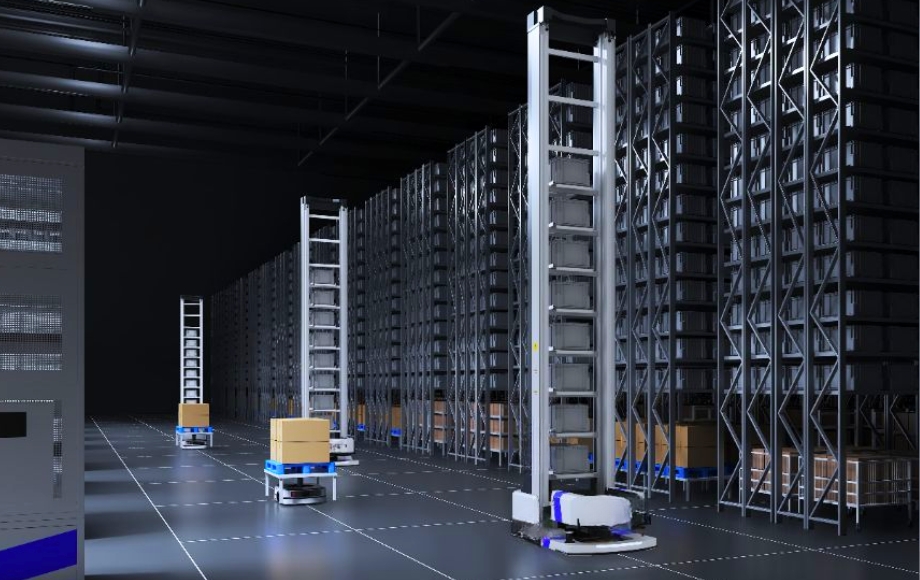
The 4-direction shuttle is a highly automated intralogistics equipment capable of traveling freely along both longitudinal (X-axis) and transverse (Y-axis) racking rails. Equipped with track-changing capabilities, it maneuvers flexibly in all four directions. As the core equipment of modern automated warehouses, it significantly boosts space utilisation and throughput efficiency.
- Integrated Storage & Retrieval: Delivers goods directly to the designated slot via system commands without the need for secondary handling.
- Intelligent Dynamic Management: Built-in control systems and warehouse mapping optimize travel paths and update inventory locations in real-time.
- 3D Dense Storage: Tailored configurations and combinations based on the warehouse environment to maximise space utilisation.
- High Scalability: Flexibly add more shuttle cars as your business grows to meet phased expansion needs.
Shuttle Robot Special Hoist (Vertical Conveyor)
- High-Speed Operation: Delivers highly efficient vertical transport, allowing shuttle robots to maintain peak operational speeds.
- Integrated Control: Connects with the WCS for real-time cargo data exchange, achieving unified management of storage and production.
- Strong Docking Capability: Interfaces seamlessly with various shuttle robots and cargo types.
- Simple & Durable Structure: Designed for logical simplicity, low energy consumption, minimal rail wear, and high durability.
- 4-Way Movement & In-Place Track Changing: Can retrieve and store goods at any location on the same horizontal plane.
- Multi-Tier Handling: Equipped with specialized picking tools to achieve high-efficiency storage and retrieval across 1 to 5 vertical tiers.
- Real-Time Monitoring: Centrally coordinated by the WCS to monitor coordinates, traveling speed, and battery levels in real-time.
- Flexible Processing Capacity: Supports multi-device collaborative operations, boosting throughput by up to 3 times compared to traditional models.
- High-Speed Precise Positioning: Fast traveling speed with rapid telescopic forks for automated inbound/outbound handling of totes and cartons.
- Flexible Material Supply: Automatically retrieves goods based on real-time production line demands, revolutionizing traditional workflows.
- Advanced Track-Changing Technology: Switches track flexibly, increasing transport speeds several times over traditional suspension chains.
- Frees Up Floor Space: Travels stably on overhead tracks, saving precious factory floor space.
Cold Storage Dedicated Shuttle Robot
Specifically engineered for low-temperature cold storage environments, operating reliably at temperatures as low as -35°C. It is the ideal automation solution for cold chain warehouses.
- 4-Way Smart Driving: Travels freely across intersecting 3D racking rails. Real-time management by the central system drastically reduces error rates.
- Unmanned Operation: Fully automated goods distribution within the warehouse eliminates the need for staff to frequently enter freezing environments, mitigating occupational safety risks.
- Maximised Energy Efficiency: High-density storage design increases inventory per unit area, diluting and lowering the refrigeration energy consumption per unit of cargo.
Note: Every model supports customised adjustments, including load capacity, travel speed, and communication protocols, ensuring perfect integration with clients' existing facilities.
Frequently Asked Questions (FAQ)
Q1: Which industries are best suited for Pallet Shuttle Systems?
They are ideal for e-commerce logistics, frozen foods, pharmaceutical warehousing, manufacturing raw material storage, and third-party logistics (3PL). For the food and pharmaceutical industries, which require strict adherence to First-In, First-Out (FIFO) to manage product shelf life, the shuttle system provides the most efficient and precise high-density storage solution.
Q2: Which automated systems can the shuttle system integrate with?
The shuttle system boasts high compatibility and can be seamlessly integrated with automated stacker cranes, conveyor lines, AGV/AMRs, and WMS/WCS platforms to build an end-to-end smart warehousing solution.
Q3: What precautions should be taken when installing and operating a pallet shuttle?
Before deployment, we recommend an expert assessment of racking load-bearing capacity, floor flatness, and power configurations. During daily operations, routine checks on battery health and rail cleanliness are necessary to ensure the long-term stability of efficient pallet handling.
Q4: Is the system flexible enough for future business expansion?
Yes. The entire system features a modular design. You can progressively add more shuttle cars or expand the rail network in response to business growth. This offers immense flexibility without requiring massive, one-off upfront investments.

Warehouse Automation Explained: From Conveyors to Robots What Australia Logistics Can’t Afford to Ignore
Handling 10,000 orders in a traditional warehousemay require 50 workers pulling overnight shifts. In contrast, a warehouseautomation system can complete the same workload with just over a dozen staff —within regular office hours.
The difference isn’t manpower; it’s warehouseautomation.
With Hong Kong’s soaring land prices and risingoperating costs, traditional warehouse operations are struggling to keep upwith fast-moving e-commerce and supply chain demands.
So, what types of warehouse automation systems areavailable in Australia? And how can they solve real operational challenges?This guide breaks it down.
Common Warehouse Automation Systems in Australia
To improve efficiency and maximise ROI, businessesneed a clear understanding of how different warehouse automation solutions work,and where they deliver the most value.
1. Conveyor Systems in Warehouse Automation
Conveyor systems are one of the most widely usedwarehouse automation solutions, designed for point-to-point and long-distancematerial handling.
In traditional warehouses, workers spendsignificant time walking and transporting goods. With conveyors, items moveautomatically between receiving, storage, picking and packing zones.
Modern automated conveyor systems integrate barcodescanning and weight detection to identify and remove sorting errors — improvingboth accuracy and throughput.
2. AMR Warehouse Robots & Vision-GuidedForklifts (AGF)
AMR warehouse robots (Autonomous Mobile Robots) andAGF (Automated Guided Forklifts) are rapidly transforming warehouse operationsin Hong Kong.
Unlike traditional AGVs that rely on fixed tracks,AMRs use real-time navigation and environmental sensing to move freely andavoid obstacles. This makes them ideal for dynamic warehouse environments.
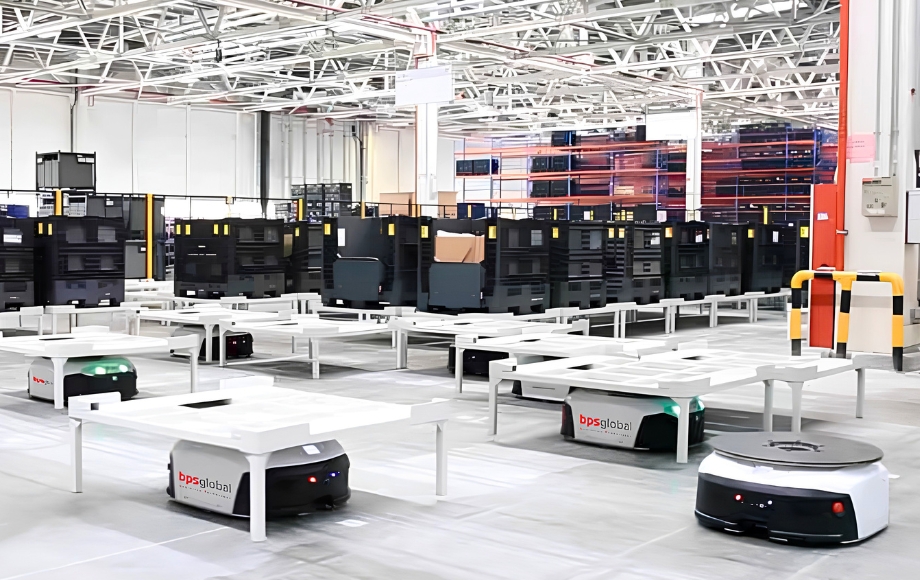
AMRs enable a “goods-to-person” picking system,where robots deliver items directly to operators — reducing walking time andboosting productivity.
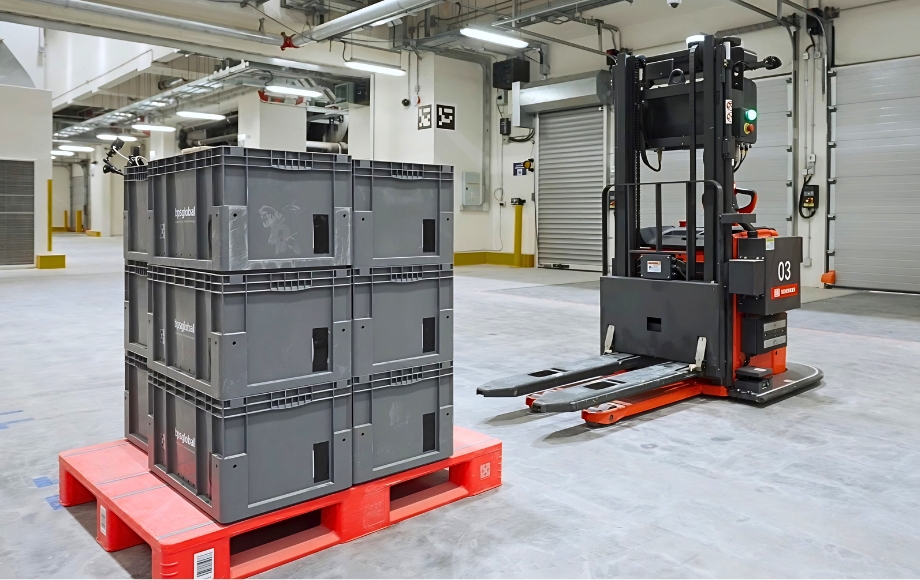
Meanwhile, AGF forklifts automate pallet transportand high-risk handling tasks. They improve warehouse safety while enabling 24/7automated operations, reducing reliance on manual labor.
3. AS/RS Australia: Automated Storage and RetrievalSystems
With limited land availability, AS/RS (AutomatedStorage and Retrieval Systems) in Hong Kong are essential for maximising space.
These systems use high-rise racking, shuttlesystems and stacker cranes to achieve high-density storage — often severaltimes greater than traditional warehouse setups.
Integrated with WMS and WCS, ASRS systems automateinventory storage and retrieval, reducing manual handling and improvingaccuracy.
For businesses managing large SKU volumes and highturnover rates, AS/RS is a critical warehouse automation investment.
4. Mezzanine Systems for Warehouse Space Optimisation
A warehouse mezzanine system creates additionalstorage levels within existing facilities, maximising vertical space withoutmajor structural changes.
This is especially useful in Hong Kong’s olderindustrial buildings. When combined with lifts or automation equipment,mezzanines can significantly increase storage capacity at a relatively lowcost.
By combining these warehouse automationtechnologies, businesses can overcome three key challenges in Hong Kong: highrent, labor shortages and operational inefficiencies.
Case Study: Warehouse Automation in Australia
A major e-commerce company operating a 40,000 sq.ft. warehouse in Kwai Chung faced rapid order growth, with peak volumesexceeding 10,000 orders per day.
Manual picking using paper lists led to frequenterrors, long working hours and high staff turnover — common challenges intraditional warehouse operations.
To improve efficiency, the company implemented acustom warehouse automation solution with BPS:
- Installed mezzanine racking to increase storage and picking capacity
- Deployed AMR warehouse robots for a goods-to-person picking system
- Integrated automated conveyor systems for seamless packing and dispatch
Results of Warehouse Automation Implementation
The transformation delivered measurable results:
- 99.9% picking accuracy
- 3× increase in order processing efficiency
- 40% reduction in labour requirements
Warehouse staff shifted from manual picking tosystem operation and quality control —improving both productivity and jobsatisfaction.
BPS Global Australia: Warehouse AutomationExperts in Australia
Successful warehouse automation in Australia requires more than just equipment, it demands expert planning, systemintegration and technology alignment.
BPS Global Australia provides end-to-endwarehouse automation solutions, including:
- Automation strategy and data analysis
- Equipment selection (AMR, AGF, AS/RS, conveyors)
- Mezzanine system design
- Full system integration (WMS/WCS)
- On-site implementation and support
Upgrade yourwarehouse with the right automation strategy.
Contact BPS Australia today to start your warehouse automation journey andstay ahead in Hong Kong’s competitive logistics landscape.
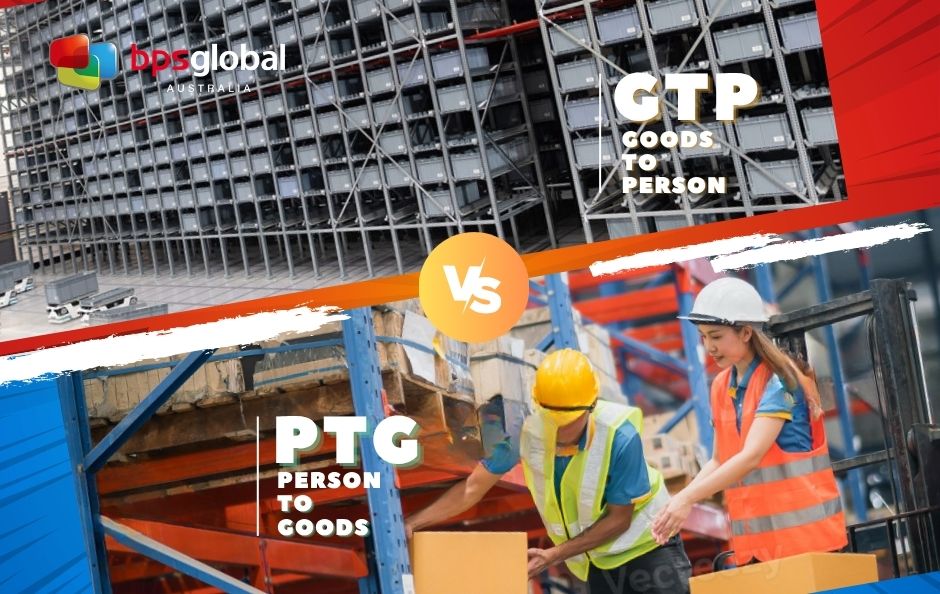
Goods-to-Person vs Person-to-Goods: The Key Choice for Boosting Warehouse Efficiency
Are your warehouse staff constantly walking back and forth every day, spending excessive time locating and picking items — yet still struggling to keep up with growing order volumes? The root issue often isn't manpower, but whether your picking model suits your business.
"Goods-to-Person" (GTP) refers to automated systems delivering items directly to a stationary picking workstation, while "Person-to-Goods" (PTG) requires workers to travel to storage locations to pick items. Let's break down these two approaches to help you determine which model can maximise your operational performance.
Person-to-Goods vs Goods-to-Person: A Comprehensive Comparison
With high rents and ongoing labour shortages in Hong Kong, choosing the right picking model has a major impact on operating costs.
A Goods-to-Person system replaces manual picking with automation, significantly improving efficiency while maximising limited warehouse space — making it especially suitable for growing businesses.
While Person-to-Goods has a lower entry barrier, increasing order volumes will gradually drive up labour and space costs, eroding profit margins.
Key Differences
Technology Behind Goods-to-Person Systems
It's important to note that GTP is not a single piece of equipment, but a combination of automation solutions. Depending on warehouse size, SKU count, and order profiles, businesses can choose the most suitable setup:
- Grid-based Systems
Robots transport entire shelves or pallets to picking stations. These systems require less rigid rack structures, are faster to deploy, and allow multiple related SKUs on the same shelf — improving picking efficiency. - Shuttle Systems
Extract individual totes and deliver them to workstations before returning them. With standardised structures, they support extremely high speed and throughput — ideal for high-frequency operations with relatively concentrated SKUs. - Robotic GTP with Fixed Racks
Robots retrieve totes from pre-designed fixed racking systems. These solutions maximise vertical space (up to 30 feet or more), making them ideal for high-SKU, high-density storage environments. - Carousel Systems
Use horizontal or vertical rotation to bring items to operators. They are ideal for space-constrained warehouses and help improve picking accuracy while reducing manual errors.
Each architecture has its strengths in space utilisation, speed, and investment cost. Businesses should choose based on their order structure, SKU characteristics and future scalability — not just the level of automation.
How to Choose the Right Model for Your Warehouse
Selecting the right picking model requires evaluating several factors:
- Daily Order Volume
If you process a few hundred orders per day with limited growth, PTG may suffice. But if orders exceed 1,000 daily or are rapidly growing, GTP offers significant efficiency advantages. - SKU Count and Product Characteristics
The more SKUs and the smaller the items, the greater the benefit of GTP. Large or heavy items may require specialised automation solutions. - Warehouse Size and Lease Terms
With typical lease cycles of 2–3 years, companies must assess ROI timelines. If space is limited but storage needs are growing, GTP's dense storage is ideal. - Seasonal Demand Fluctuations
For businesses with peak seasons, GTP systems provide far greater scalability than relying on temporary labour.
Ultimately, beyond order volume and space, companies should also evaluate ROI, system integration costs, and operational disruption during implementation.
Real Case: How a Hong Kong E-commerce Brand Improved Efficiency
A local health supplement e-commerce brand previously operated a 2,000 sq ft warehouse in Kwai Chung using a traditional PTG model.
As order volume grew to 800 orders per day, five pickers were no longer sufficient. During peak seasons, error rates reached 3%, leading to frequent returns and customer complaints.
After engaging BPS Global for a warehouse assessment, the team recommended implementing a compact AMR-based GTP system and redesigning the warehouse layout.
Results after transformation:
- Picking staff reduced from 5 to 2
- Throughput increased from 450 to 1,200 order lines per hour
- Picking accuracy improved to 99.97%
- Storage capacity increased by 60% within the same space
Most importantly, the company postponed relocating to a larger warehouse, saving significant rental costs.
Tailor-Made Warehouse Solutions by BPS Global
Modern GTP solutions can integrate seamlessly with warehouse management systems (WMS), conveyors, pick-to-light systems, and robotic arms — creating a fully connected workflow from picking to sorting and dispatch.
No matter what stage your business is in, your picking strategy directly impacts operational costs and customer experience.
With extensive experience in Hong Kong and cross-border logistics, BPS Global provides end-to-end warehouse solutions — from PTG setups to full GTP transformation. From system design and equipment selection to process reengineering and daily operations support, BPS delivers one-stop solutions to help your warehouse achieve efficiency, accuracy, and scalable growth.
Contact Us today to start your Goods-to-Person upgrade journey.
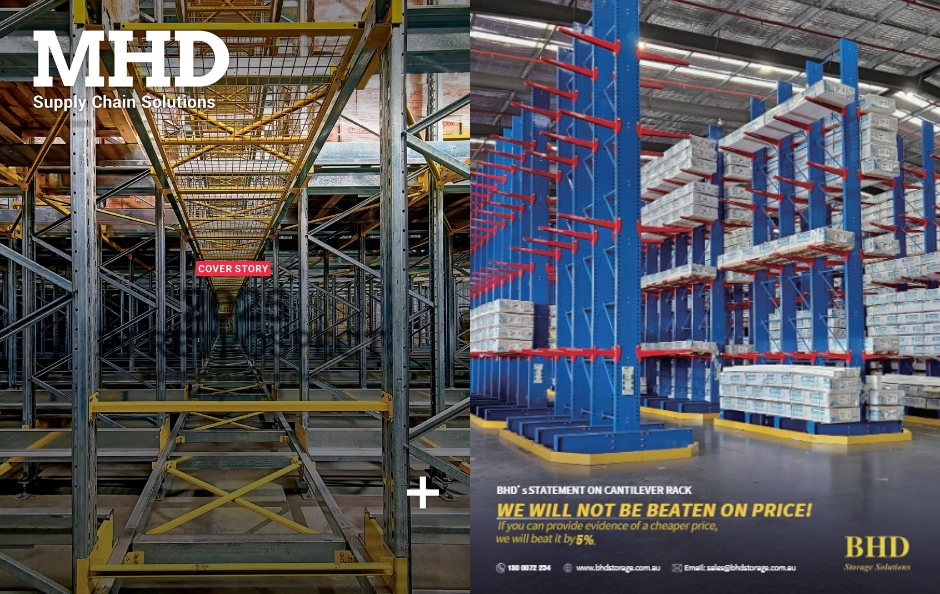
Bridging the gap between Chinese innovation and Australian operations
MHD Magazine (March 2026)
MHD sits down with Malcolm Druce, Managing Partner at BPS Global Australia, to discuss how 30 years of Asian manufacturing connections combined with deep local expertise is demystifying Chinese automation purchases and de-risking implementation for Australian businesses.
Supply chain operators are looking directly to Chinese manufacturers for innovative, cost-effective solutions. But this route requires expert knowledge in sourcing, installing, and maintaining equipment to Australian standards.
BPS Global Australia is stepping forward as a leader in this area. Malcolm Druce, Managing Partner at BPS Global Australia, says their connections to Asian manufacturing markets and local Australian expertise positions them to solve this challenge.
“We want to be able to demystify purchasing robotics and automation out of China," says Malcolm. "We don't want companies to miss out on the opportunity to buy really good quality,cost-effective equipment. But we also want to make sure that they go in with their eyes completely open, and there are no hidden surprises."
The Hong Kong advantage
BPS Global Hong Kong has been operating for over 30 years, turning over more than $35 million annually and serving over 1,000 clients across engineering and construction, logistics technology, investment and real estate,and robotics solutions. This gives BPS Australia immediate access to Asian manufacturing markets.
“They are connected to just about every single manufacturing organisation in China of any significance," Malcolm explains. This infrastructure provides BPS Australia with an edge: expertise on Chinese manufacturing capability, quality standards, and emerging technologies. The organisation can assess factories, understand equipment capabilities, and identify which manufacturers deliver on their promises.
“If necessary, we'll bring people out of BPS Hong Kong who know the equipment to assist with installations,” Malcolm notes. “We can tap into our factory knowledge, understand market trends, and help clients get the best value from Chinese manufacturers.”
Addressing the need in Australia’s market
Australian businesses looking at innovative, cost-effective equipment at trade shows or through online research face hurdles when trying to bring that technology into local operations. Often there are language barriers, different compliance requirements, installation challenges and warranty concerns. Malcolm says these roadblocks have the potential to derail promising automation projects before they have the chance to hit the ground running.
Malcolm emphasises BPS will still maintain an ‘equipment agnostic’ approach, keeping a strong pulse in analytics and operational understanding. Instaying neutral, BPS recommends the right equipment for each application rather than pushing specific brands or suppliers.
The full-service offering covers equipment selection, factory quality assessments, design and CAD drawings, Australian compliance management, installation, warranty support, and integration with warehouse management systems. BPS also has deep connections with local suppliers for complementary requirements like racking systems.
BPS can work in multiple capacities depending on client needs: as a consultant providing advice and facilitating connections, as a broker, or as a full-service integrator managing the entire process.
"Some businesses out there know automation really well, and we can support them to make their own decisions. Some don't know automation very well, and we can offer more guidance in those cases," Malcolm says.
Essentially, BPS supports businesses through two pathways: purchasing equipment through BPS as part of a full-service engagement, or buying direct from a Chinese manufacturer. In cases where the buyer chooses to purchase direct, BPS can act on the customer’s side – supporting negotiations, duediligence and freight coordination if required, while ensuring the buyer understands responsibilities such as warranty and importer-of-record requirements.
Understanding the local landscape
BPS has a deep understanding of Australian business requirements,including the compliance, safety, and physical specifications that can catch overseas manufacturers unaware.
BPS has a deep understanding of Australian business requirements,including compliance, safety, and the physical infrastructure needed to support automation.
Malcolm says the biggest mistakes that derail projects are often basic butcostly – overlooking infrastructure requirements such as fire regulations,floor quality and site connectivity.
He also emphasises the importance of safety and compliance duringinstallation. “You need to make sure that whatever you’re buying is manufactured to Australian standards, and that your installation contractors are properly covered with insurance, licences and permits,” he says.
For BPS, de-risking the purchase means ensuring warehouse infrastructure is fit for purpose, verifying factory quality and processes, and putting the right controls in place for installation – whether BPS delivers the installation directly or takes a project management role with customer-selected contractors.
This is what he describes as de-risking the purchase, ensuring businesses understand and meet all Australian requirements from day one.
Getting businesses automation-ready
Ensuring businesses are prepared for automation means assessing operational processes, IT capability, and physical infrastructure before any equipment arrives.
"When you automate, particularly with robotics, you have to change your operational processes," Malcolm emphasises. "You can't do what you've always done, throw in equipment and expect to be able to do that into the future. It won't work and you will fail."
Part of BPS's initial assessment involves analysing whether a client's warehouse management system or ERP could handle the messaging requirements ofautomated equipment. “You need to be able to send and receive the messages thatthe robotics and automation require in order to function," Malcolm explains. "If you've got a very basic ERP or an accounting system with no operational capability, you're going to struggle.”
The business also looks at extracting operational knowledge before automation implementation. "The worst cases are where knowledge sits inthe heads of the operators and no one documents the process flows,” Malcolm says.
“Automation gets installed, you realise you missed part of the workflow and all of a sudden you've got to rework it or throw it all out and start again."
The BPS approach
BPS's strength comes from the combined operational experience of its Australian team, many of whom – Malcolm included – have worked their way up through manual and automated warehouses.
This, combined with strong data analytics and design capability, allows BPS to create solutions that work for operational staff, not just procurement teams or supply chain directors. In one of its most recent major projects, feedback highlighted BPS's innovation, flexibility, quick understanding of operations, and ability to design solutions that support ground-level workers.
For BPS, success means changing how Australian businesses approach Chinese automation purchases - moving from hesitation to confidence.
"With all our experience, we are best placed to be the Australian face of Chinese equipment manufacturers," Malcolm says.
With Chinese manufacturers producing innovative equipment at competitive prices and Australian demand growing, Malcolm sees BPS's role as essential -not just facilitating sales, but ensuring successful implementations that deliver long-term value.
Malcolm references a colleague from the military’s wisdom. “Time spent in reconnaissance is time seldom wasted.” For BPS, this means thorough understanding of cross-cultural regulations, risk mitigation strategies, and business continuity processes built into every project from the start.
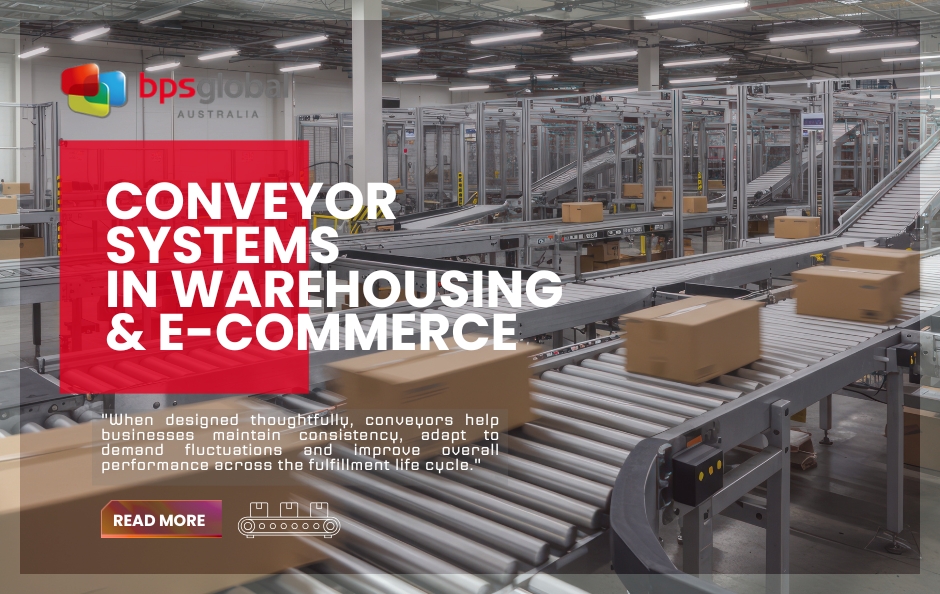
Conveyor Systems in Warehousing & E-commerce: Turning Material Flow into a Competitive Edge
In fast-moving warehouse and e-commerce environments, operational success depends less on isolated technologies and more on how effectively processes work together. Conveyor systems, often treated as basic infrastructure, play a far more strategic role than they are given credit for.
Rather than simply transporting goods, modern conveyor systems shape how efficiently orders move through a facility. When designed thoughtfully, they help businesses maintain consistency, adapt to demand fluctuations and improve overall performance across the fulfillment lifecycle.
Beyond Transport: Managing Operational Flow
At their core, conveyors move products between different stages of fulfillment. But in high-volume operations, their real value lies in managing flow between processes that operate at different speeds.
For example:
- Picking may generate items in bursts
- Packing may require more time per order
- Sortation may depend on downstream carrier schedules
A well-designed conveyor system balances these differences. It creates buffers where needed, prevents congestion and ensures that no single stage disrupts the entire operation.
Throughput Depends on Coordination
It is tempting to think that faster conveyors lead to higher output. In practice, throughput depends on how well each part of the system is aligned.
Key factors include:
- Balanced workflows: Matching capacity across picking, packing, and shipping
- Controlled accumulation: Allowing items to queue without blocking movement
- Efficient merging: Managing multiple input streams without delays
In this context, conveyors are not about speed alone. They are about maintaining a steady, predictable flow.
Impact on Cost and Efficiency
Conveyor systems influence several core cost drivers in warehousing and e-commerce:
- Labor Efficiency
By reducing the need for manual transport, conveyors allow employees to focus on value-adding tasks. This improves productivity and reduces reliance on temporary labor during peak periods.
- Space Utilisation
Conveyors enable more compact layouts, including vertical designs and multi-level operations. This can delay or eliminate the need for facility expansion.
- Error Reduction
Integrated systems with scanning and routing capabilities help reduce mis-sorts and lost items, improving order accuracy and customer satisfaction.
- Designing for Changing Demand
E-commerce operations rarely deal with consistent order patterns. Variability is constant, whether due to promotions, seasonality, or shifting product mixes.
Effective conveyor systems are designed with this in mind:
- Modular components that can be reconfigured
- Flexible routing to adapt to changing workflows
- Scalable capacity to handle both daily operations and peak demand
The goal is not just to handle volume, but to handle change.
The Role of Data and System Integration
Modern conveyor systems increasingly serve as data sources within the warehouse ecosystem. With sensors, scanners and software integration, they provide visibility into how goods move in real time.
This enables:
- Early identification of bottlenecks
- Performance monitoring across zones
- Predictive maintenance to reduce downtime
When connected with warehouse management and control systems, conveyors become part of a larger, data-driven operation rather than standalone equipment.
Preparing for Peak Periods
High-demand periods such as holiday seasons place significant strain on fulfillment operations. Conveyor systems that perform well under normal conditions may struggle if not designed for peak scenarios.
Key considerations include:
- Sufficient buffer capacity in critical areas
- Redundancy to avoid single points of failure
- Clear processes for handling exceptions
Designing for peak conditions ensures stability when it matters most.
Integration as a Success Factor
The effectiveness of a conveyor system depends heavily on how well it integrates with other technologies, including:
- Warehouse Management Systems (WMS)
- Warehouse Control Systems (WCS)
- Automated picking and robotics
- Sortation and scanning solutions
Strong integration enables smoother workflows, better visibility, and more consistent performance across the operation.
Conclusion
In warehousing and e-commerce, operational efficiency is driven by how well materials move through the system. Conveyor systems play a central role in enabling that movement, influencing everything from throughput and labor efficiency to accuracy and scalability.
Organisations that approach conveyor design strategically, rather than as a basic equipment purchase, are better positioned to adapt, grow, and meet increasing customer expectations.
In an industry defined by speed and reliability, managing flow effectively is not just an advantage. It is a requirement.

The Better the Business, the Greater the Risk? The Survival Battle Behind E-commerce Order Surges
In e-commerce, the biggest concern is often not a lack of orders, buta sudden surge in demand that overwhelms back-end logistics systems. Considerthis scenario: a marketing campaign achieves great success, and overnight ordervolume multiplies several times. While this should be a reason to celebrate,the reality in the warehouse is chaos: inventory piled high, pickers rushingunder pressure, frequent order errors and customer service lines constantlyringing with complaints about delayed shipments. This dilemma of “ordersreceived but unable to fulfill” is one that many logistics managers andbusiness owners in Australian can empathise with.
Three Major Pain Points in E-commerce Logistics: The Critical Weaknesses of Traditional Warehousing in the AutomationEra
Modern e-commerce operations are fundamentally different from thetraditional B2B wholesale supply chain. When faced with the demands ofe-commerce logistics, conventional warehousing exposes three major structuralproblems:
1. Highly Fragmented Orders
In the past, shipments were mostly full pallets or cartons. Today, anorder may consist of just a single toothbrush or two packs of tissues, eachrequiring separate picking and packaging. This “small-quantity, high-frequency”order pattern, if handled entirely manually, is not only inefficient but alsodifficult to scale.
2. Same-Day or Next-Day Delivery as a Basic Requirement
Consumers have extremely high expectations for deliveryspeed. Orders placed in the morning are often expected to arrive the same dayor, at the latest, the next day. Any delay may result in customers turning tocompetitors. Delivery speed is no longer an added benefit — it has become acore competitive advantage.
3. Complex Returns Processing
Return rates in e-commerce are generally higher than in physicalretail. Processing returns involves inspection, restocking, qualityverification, and relisting. These procedures are time-consuming andlabor-intensive, placing a heavy burden on manpower and resources.
Logistics Automation Solutions: Addressing Labor Shortages with Warehouse Robotics and IntelligentSystems
Faced with these challenges, many businesses’ first reaction is to“hire more staff.” However, labour costs are high, and warehousestaff turnover is significant. Relying solely on manual labor often fails tocreate a stable and sustainable operation, which has driven logisticsautomation to become the industry standard.
Logistics automation is not just about installing conveyor belts; itintegrates hardware and software to achieve the core goals of reducing labour,improving efficiency, and optimising space utilisation. Common solutionsinclude:
- Goods-to-Person Picking Systems
Using Autonomous Mobile Robots (AMRs) or visually guided automated forklifts (AGFs), shelving units are automatically transported to picking stations. Workers no longer need to walk long distances in large warehouses and can operate from fixed positions, increasing picking efficiency several times over. - Automated Storage and Retrieval Systems (AS/RS)
Given high rents and limited floor space, Automated Storage and Retrieval System (AS/RS) — also known as mini-load systems — can expand vertically, fully utilizing ceiling height to achieve high-density storage and effectively increase warehouse capacity. - Warehouse Management Systems (WMS)
Automation requires both hardware and software. Advanced Warehouse Management System (WMS) platforms can analyze real-time sales data and direct the system to pre-position fast-moving items near dispatch areas, significantly shortening order processing time and enhancing overall supply chain efficiency.
Cost-Benefit of Logistics Automation: Upfront Investment vs. Long-Term Advantage
When it comes to logistics automation, many businesses are concernedabout the initial investment. While it is indeed a decision that requirescareful planning, a long-term cost analysis reveals a different picture.Factoring in salaries, mandatory provident fund contributions, insurance, sickleave, absenteeism and costs related to human errors, the total expense ofmanual operations in Australian’s labour-cost environment can be much higher.
Automated equipment, such as AMRs, can operate 24/7 without fatigue,absenteeism or emotional fluctuation. This not only improves accuracy but alsoensures consistent and predictable outbound operations.
Today, logistics automation is no longer exclusive to largeenterprises. As e-commerce logistics standards rise, small and medium-sizedenterprises must also proactively transform. When competitors are alreadycapable of “ultra-fast delivery,” reliance on manual, order-by-order processingmakes it difficult to maintain a competitive edge.
BPS Australian understandsthe real challenges faced by SMEs during logistics transformation in Australian. If your company is experiencing warehouse congestion, labour shortages orshipment delays, we can design a tailored, cost-effective intelligent logisticssolution to deliver the fastest results, helping transform logistics costs intoa sustainable competitive advantage.

Key Warehouse Automation Trends in 2026: Ushering in a New Era of Smart Logistics
In 2026, warehouse automation is no longer a competitive advantage — it's a business necessity. As supply chains grow more complex and customer expectations for speed and accuracy continue to rise, B2B companies must leverage the latest warehouse automation technologies to stay efficient, scalable and profitable.
From AI-driven robotics to autonomous mobile solutions, warehouse automation is reshaping logistics operations across the globe. Here’s what B2B leaders need to know about the key trends driving warehouse transformation in 2026.
1. AI-Powered Robotics: The Core of Modern Warehouse Automation
Robotics have been at the heart of warehouse automation for over a decade, but in 2026, AI is taking robotic capabilities to a new level. Smart robots now:
- Navigate complex warehouse layouts with minimal human input
- Learn from their environment and optimise picking paths
- Adapt in real time to inventory changes and order volumes
Companies like Amazon, DHL and GXO are deploying fleets of intelligent picking and sorting robots that operate 24/7, reduce human error and improve throughput. For B2B businesses managing large-scale fulfillment, investing in AI-powered robotics offers measurable ROI through reduced labour costs and increased order accuracy.
2. Autonomous Mobile Robots (AMRs) Dominate Intralogistics
Warehouse automation in 2026 relies heavily on Autonomous Mobile Robots (AMRs) for material handling. Unlike traditional AGVs, AMRs use sensors and AI to dynamically plan routes, avoid obstacles, and work collaboratively with human workers.
Why AMRs are dominating the B2B warehouse space:
- Scalable and flexible deployment
- Lower upfront cost compared to fixed infrastructure systems
- Integration with warehouse management systems (WMS)
In fact, according to industry forecasts, AMRs are expected to account for over 60% of new automation deployments in distribution centres by the end of 2026.
3. Data-Driven Warehouse Automation with IoT and Analytics
Data is the fuel behind next-gen warehouse automation. In 2026, IoT-connected devices — from smart shelving to temperature-controlled zones — provide real-time insights into warehouse operations. Combined with AI and advanced analytics, this data helps B2B companies:
- Optimise inventory placement and storage density
- Predict equipment maintenance needs
- Improve labour allocation
The result? Enhanced efficiency, fewer bottlenecks and better decision-making. For enterprises running high-volume distribution centres, intelligent automation platforms with data-driven capabilities are a must.
4. Cloud-Based WMS and Integration with ERP Systems
Cloud-based warehouse management systems are becoming standard in 2026. These systems are essential for orchestrating the complex dance of automation technologies, labour and inventory across multiple warehouse sites.
Seamless integration between WMS, ERP and CRM platforms enables:
- Real-time inventory visibility
- Automated procurement triggers
- Improved order fulfillment accuracy
The future of warehouse automation is interconnected — digital ecosystems where dataflows freely and actions are automated end-to-end.
5. Human-Machine Collaboration: Not Replacing, But Enhancing
A key trend in 2026 is the shift toward collaborative warehouse automation. Rather than replacing human workers entirely, automation tools are augmenting their capabilities. Wearables, voice-picking systems and augmented reality (AR) assist humans in completing tasks faster and with fewer errors.
For B2B warehouses facing labour shortages and high turnover, this collaborative model ensures operational continuity while improving job satisfaction.
6. Sustainability Through Automation
Sustainability is no longer optional in the B2B world, and warehouse automation plays a crucial role in reducing carbon footprints. Automated systems:
- Use energy-efficient routes and operations
- Minimise waste with precision inventory management
- Enable greener last-mile logistics
Expect more B2B brands to adopt automation not just for efficiency — but to meet ESG goals and align with environmentally-conscious partners.
Final Thoughts: Investing in Warehouse Automation in 2026
Warehouse automation in 2026 is smart, scalable and sustainable. B2B companies that embrace these trends will gain a significant edge in speed, cost control and customer satisfaction.
Whether you're upgrading your current warehouse systems or building a new fulfillment centre from the ground up, now is the time to invest in advanced warehouse automation solutions. The future belongs to those who automate intelligentlyand strategically.
Interested in learning more about how our warehouse automation solutions can help improve your company's operational efficiency? Contact "BPS Australian" today and let us assist you in achieving automation transformation.

Empowering Australian’s AI STEM Education with the Lite3 Quadruped Robot
As robotics technology becomes more accessible, educators are turning to innovative tools that bring theory into action. Among the most practical and engaging of these tools is the Lite3 Quadruped Robot — a lightweight agile, and versatile robot designed for mobility, sensing and education.
As the official agent of DEEP Robotics in Hong Kong, Macau and Australia, BPS is pleased to introduce how this world-leading robotics company is transforming AI and robotics education through its cutting-edge solutions.
While Lite3 is known for its applications in inspection and R&D, it is also proving to be an ideal learning platform for schools, universities and STEM programmes.
Supporting Research and Innovation in Higher Education
For universities and research institutions, the Lite3 serves as a flexible and accessible testbed for robotics experiments and innovation projects.
It can be used for:
- Research in motion planning and terrain adaptability
- Developing multi-robot systems for cooperative tasks
- Human-robot interaction studies in controlled environments
- AI algorithm testing in both indoor and semi-outdoor conditions
Its compact form factor and adaptability make it especially valuable for labs that want real-world testing without the bulk or complexity of industrial-scale robots.
A Hands-On Learning Platform for STEM Education
The Lite3 is a compact yet powerful quadruped robot equipped with advanced sensors, real-time computing and precise motion control. For educators, it offers a ready-made platform to teach robotics, coding, AI and autonomous systems.
Students can use Lite3 to explore:
- Programming movement patterns and obstacle avoidance
- Real-time environmental perception using visual and LiDAR sensors
- Integration with open-source robotics frameworks like ROS
- Wireless teleoperation and remote mission control
By engaging directly with this kind of hardware, learners gain practical experience with the same technologies used in industry today.
Inspiring the Next Generation of Innovators
The Lite3’s agile, dog-like movement and sleek design make it especially appealing to younger audiences. It is an eye-catching feature at STEM fairs, open days and classroom demonstrations, where it can:
- Perform interactive routines and movement demos
- Act as a campus tour assistant or robotic guide
- Demonstrate AI-in-action in an approachable way
For students new to robotics, Lite3 makes complex technology feel tangible and exciting, helping educators spark interest in science and engineering fields.
Cross-Disciplinary Learning in Action
The value of LITE3 extends beyond engineering. It enables interdisciplinary collaboration across:
- Software development – students code autonomous behaviors
- Design and UX – teams improve interaction and usability
- Content creation – media students document and promote use cases
- Business and innovation – groups explore real-world applications
This fosters the kind of teamwork and innovation culture that prepares students for future careers in tech and research.
Final Thoughts
The Lite3 Quadruped Robot is more than a robotics tool — it is a hands-on educational platform that empowers students to learn by doing. From high schools to universities, it brings robotics and AI out of the textbook and into real-world application.
Whether it is teaching coding basics, supporting advanced robotics research or captivating young minds at STEM events, Lite3 is a versatile solution designed to walk education into the future.

The Future of China's Smart Warehouses: 10 Key Directions for Innovation and Automation
As China's market evolves rapidly and consumer demands diversify, smart warehouses have become a critical pillar for companies striving to stay competitive. To meet these challenges, businesses must adopt the latest digital tools and implement highly precise warehouse management strategies.
In response, BPS Australian has identified ten key trends shaping the future of warehousing — essential insights for industry leaders looking to stay ahead and drive the next wave of innovation.
1. Digital Twin Technology for Optimised Planning
In China's vast and complex logistics landscape, digital twin technology has become essential for efficient warehouse planning and management. This technology enables businesses to virtually test warehouse layouts, assess product travel distances, and evaluate picking speeds — ensuring optimal space utilisation and workflow efficiency.
By simulating peak order volumes, companies can anticipate equipment loads and develop proactive strategies to maintain stability during high-demand periods. Digital twin models also help identify potential bottlenecks and implement corrective measures before issues escalate, significantly reducing operational risks. Ultimately, this technology enhances efficiency, flexibility, and resilience, enabling warehouses to thrive in an increasingly dynamic logistics environment.
2. AI for Inventory and Process Optimisation
In modern smart warehousing, automation has evolved beyond simply reducing manual labor — AI is now driving deep transformation. By analysing historical shipment data, AI can accurately predict peak and low order periods, enabling proactive resource allocation for smoother operations.
Intelligent algorithms continuously optimise goods placement, enhancing picking efficiency and maximising warehouse space utilisation, sometimes by over 60%. Additionally, AI-driven predictive maintenance systems can detect potential equipment failures early, allowing for preventive actions that minimise operational risks and reduce unexpected downtime. With AI integration, warehouses can achieve greater efficiency, resilience and cost-effectiveness, ensuring seamless and reliable supply chain operations.
3. Adoption of Autonomous Robots (AMR/AGV)
Autonomous Mobile Robots (AMR) and Automate Guided Vehicles (AGV) can provide a highly adaptable schedule in large warehouses, as they can modify their real-time routes depending on the present need, making them ideal for various fields such as e-commerce and retail trade, which are the ones requiring quickness the most.
These robots can be rapidly deployed without extensive site modifications and dynamically adjust their operating routes based on real-time orders, effectively alleviating peak-period pressures. With these advantages, AMRs and AGVs are particularly well-suited for time-sensitive industries such as e-commerce, retail and pharmaceuticals.
4. Vision and Machine Learning for Precision
In the past, the complexity of inventory items often led to misjudgments or missing stock, posing a major challenge in warehouse management. However, with the advancement of 3D vision and machine learning technologies, automated sorting systems can now accurately recognise different packaging types, significantly reducing errors in multi-SKU sorting.
Additionally, AI-powered in-warehouse cameras provide real-time shelf monitoring, automatically triggering restocking alerts or safety warnings when necessary. This technology is also highly effective in complex picking scenarios, helping employees quickly locate items and minimising operational errors, ultimately improving efficiency and accuracy.
5. Cloud-Based WMS for Data Integration
The widespread adoption of cloud-based Warehouse Management Systems (WMS) integrated with Enterprise Resource Planning (ERP) and Customer Relationship Management (CRM) is revolutionising warehouse operations across China. Real-time inventory tracking enables businesses to optimise utilisation, reduce operational delays and improve overall efficiency.
Additionally, the scalability of cloud solutions minimises the cost of maintaining on-premises infrastructure while enhancing supply chain visibility and coordination. These advancements not only streamline logistics and improve customer satisfaction but also strengthen market competitiveness. Ultimately, cloud-based WMS plays a crucial role in driving digital transformation, helping businesses stay agile in an ever-evolving market.
6. Environmental Monitoring and Sustainability
As the Chinese government continues to emphasise energy conservation and emission reduction, smart warehouses are actively integrating more eco-friendly measures to achieve green and efficient operations. Among these, automated sensor networks enable real-time monitoring of temperature, humidity and energy consumption within warehouses, ensuring stable environmental conditions and minimising energy waste.
Additionally, targeted lighting activation and low-power handling equipment help reduce unnecessary energy consumption. The adoption of green technology and recyclable packaging materials has also become a key metric for brand image and ESG ratings, further enhancing a company's sustainable competitiveness.
7. Enhanced Safety Mechanisms
As smart warehouses in China adopt advanced automation, ensuring comprehensive security is just as crucial. AI-powered surveillance systems can detect unauthorised access and suspicious activities, triggering real-time alerts. Meanwhile, network encryption and blockchain technology protect inventory and order data from cyber threats. Additionally, biometric authentication and facial recognition ensure that only authorised personnel can access restricted areas. By integrating these multi-layered security measures, smart warehouses can operate efficiently and securely, minimising both physical and digital risks.
8. Human-Robot Collaboration
Robots and automation systems in warehouses can perform high-frequency, repetitive or high-risk tasks, but this does not mean complete "unmanned" operations. Frontline workers will transition into roles such as "equipment managers" or "process monitors," responsible for overseeing the operation of automated equipment and ensuring smooth system performance.
Meanwhile, management and specialists must coordinate human and robotic workflows, optimize decision-making, and maximise operational efficiency. Companies also need to strengthen employee training to familiarize them with new system operations and data applications, enhancing their skill levels and laying a foundation for long-term development. Overall, the adoption of robotics and automation not only improves warehouse efficiency but also upgrades the workforce, enabling employees to take on higher-value strategic and managerial roles.
9. Expanding Opportunities in Overseas Warehousing
With the global demand for "Made in China" products surging and cross-border e-commerce on the rise, the need for intelligent upgrades in overseas warehouses is growing rapidly. Companies can leverage interconnected WMS and robotic systems to enhance cross-border logistics efficiency.
Deep collaboration with international logistics providers enables multi-location warehouse networks and end-to-end process monitoring, ensuring seamless global operations. Even with warehouses located abroad, businesses can maintain unified management standards and system interfaces, fostering efficient global coordination and resource optimisation. These advancements not only boost operational efficiency but also reinforce competitiveness in the global market.
10. Data-Driven Decision-Making
As logistics and warehousing technologies continue to advance, companies now have access to real-time operational data like never before. By leveraging business intelligence (BI) tools, businesses can transform key metrics — including inventory status, operational performance, and cost analysis — into actionable insights through dynamic visual reports. This enables more precise procurement decisions, reducing inefficiencies and optimising warehouse management.
Additionally, 5G and private network technologies minimise data transmission delays, providing instant market insights and allowing businesses to adapt quickly in a competitive environment. These advancements not only enhance operational efficiency but also bolster overall competitiveness.
Embracing the Future of Smart Warehousing
By 2025, the evolution of smart warehouses in China will no longer be a singular milestone but a continuous journey of advancement. Companies that identify key trends and leverage the optimal combination of AI, robotics, automation technologies, and cloud systems will not only enhance operational efficiency but also contribute to the development of a more sustainable, resilient and competitive supply chain.
To learn more about how warehouse automation can enhance your operational efficiency, contact BPS Australian today and begin your seamless automation transformation.

Navigating the Roadblocks and Opportunities in APAC's Warehouse Automation
The current state, challenges and promising prospects of warehouse automation in Asia Pacific (APAC) reveal a region with immense potential, yet where adoption still lags behind other markets. This exploration covers the barriers to widespread automation, highlights the key trends driving growth and examines how APAC’s unique market dynamics may shape the future of warehouse automation across the region.
Current State of Warehouse Automation in APAC
As e-commerce and digital retail continue to grow in APAC, back-end warehousing operations are adopting automation solutions faster than ever before. Economic growth and rising consumer demand are pushing warehouse operations away from manual processes toward sophisticated automation systems. Leading logistics hubs such as Hong Kong, Singapore and Thailand are investing heavily in technologies like automated storage and retrieval systems (AS/RS), autonomous mobile robots (AMRs) and warehouse management systems (WMS) to increase operational efficiency and meet surging demand.
In 2023, APAC’s warehouse automation market reached US$2.1 billion, with a projected compound annual growth rate (CAGR) of 14.2% from 2024 to 2029. Singapore leads in regional automation adoption, followed by Hong Kong, Thailand and Malaysia, while emerging markets like Vietnam and Indonesia are rapidly closing the gap with significant investments in automation infrastructure.
Major drivers for this growth include rising labour costs, the need to improve delivery performance and an influx of global companies establishing operations in the region. The market is expected to reach US$4.7 billion by 2029, fueled by technological advancements and the increasing adoption of Industry 4.0 practices.
Challenges Slowing the Adoption of Warehouse Automation
Several challenges are slowing the adoption of warehouse automation across APAC. The primary obstacle is the high upfront cost, with basic automated storage systems costing up to US$1 million and more advanced solutions exceeding US$5 million. Such costs are prohibitive for smaller enterprises.
The region’s labour dynamics also create a complex situation. While labour costs are rising in markets like Hong Kong and Singapore, affordable labour is still prevalent in much of Southeast Asia, making it harder for businesses to justify automation investments. Additionally, many emerging markets face infrastructural limitations, including unreliable power supply and internet connectivity, which complicate the deployment of automated solutions.
According to a recent industry analysis, uncertainty around Return on Investment (ROI) also slows adoption. Although automation can reduce operating costs by 20-30%, the ROI timeline is often over 5-7 years due to lower labour costs than in developed markets. This extended ROI timeline, combined with rapid technological evolution, has made many businesses hesitant to commit to large-scale automation investments.
Market Drivers and Opportunities
The rapid growth of e-commerce is reshaping logistics, creating an unprecedented demand for efficient warehousing and automation. As more consumers opt to shop online, businesses face the pressure to fulfill orders quickly and accurately, increasing the need for optimised storage, faster sorting and real-time inventory management. Companies are now investing in robotics and AI-driven automation technologies to improve efficiency and reduce manual labor.
Governments in APAC recognise the importance of logistics infrastructure for economic competitiveness and are incentivising modernisation efforts through tax breaks and financial support for automation and sustainability initiatives. Advanced technologies such as AI, autonomous vehicles and IoT are transforming warehouses into smart hubs, making scalable automation solutions more accessible and affordable for businesses of all sizes.
Unlocking Potential in APAC's Warehouse Automation
While APAC’s warehouse automation sector faces hurdles – such as high costs, limited infrastructure, and a shortage of skilled labor – it also presents significant opportunities. Growing e-commerce demand, rising consumer expectations, and advances in automation technology are driving the need for efficient, scalable and flexible warehousing solutions. As these forces continue to strengthen, the adoption of automated systems is poised to reshape logistics across the region.
To remain competitive, businesses should closely analyze these trends and strategically invest in automation to support long-term growth. The future of warehousing in APAC holds great promise, and those who seize the opportunities within this shift stand to benefit substantially.
As you plan the future of your warehousing operations, explore automation solutions tailored to the unique challenges of APAC. Early adoption could position your business for success in this competitive landscape. BPS Australian specialises in innovative warehouse automation solutions designed to meet the needs of this evolving market. Partner with us on your journey toward unlocking significant business growth.

Warehouse Automation in Hong Kong: Driving Efficiency and Innovation in a Global Logistics Hub
As one of the world's busiest logistics and trade hubs, Hong Kong plays a crucial role in global supply chains. With its strategic location, advanced infrastructure and proximity to Mainland China, the city is a key gateway for goods flowing between Asia and the rest of the world.
Hong Kong's warehousing and logistics industry faces unique challenges due to high population density, limited land availability and escalating operational costs. In response, many businesses are embracing warehouse automation as a solution to stay competitive, improve efficiency and overcome spatial limitations.
This blog article explores the current state of warehouse automation in Hong Kong, the key drivers pushing the adoption of automation technologies and real-world examples showcasing how leading logistics companies are leveraging automation to transform their operations.
Key Drivers of Warehouse Automation in Hong Kong
- Limited Space and High Land Costs
One of the most pressing challenges for warehousing in Hong Kong is the scarcity of available land. Warehouses often need to be located close to ports, airports and urban centres to ensure efficient logistics operations. However, land in these prime locations is limited and expensive, forcing companies to explore vertical expansion. Automated storage systems that can operate in multilevel warehouses help businesses maximise the use of available space. Technologies like Automated Storage and Retrieval Systems (AS/RS) and Autonomous Mobile Robots (AMRs) enable goods to be stored and retrieved in tight spaces, making vertical warehousing a feasible option. - Rising Labour Costs and Workforce Shortages
Labour shortages and rising wages in Hong Kong have also made warehouse automation an attractive proposition. The logistics industry has long been dependent on manual labour for tasks such as picking, packing and sorting. However, finding sufficient manpower has become increasingly difficult. As labour costs climb, automation allows companies to reduce their dependency on human labour for repetitive, mundane tasks, while reallocating human workers to higher-value roles such as oversight, maintenance and customer service. Automated systems also allow warehouses to operate 24/7, drastically increasing throughput. - Demand for Speed, Accuracy and Scalability
The e-commerce boom has brought new challenges to warehousing operations in Hong Kong. Online shoppers expect fast delivery times, often within the same day or the next day. As order volumes surge, warehouses must process orders faster and more accurately than ever. Automation technologies, such as conveyor systems, robotic sorters and artificial intelligence-driven order-picking solutions, enable warehouses to handle larger volumes with higher accuracy and less reliance on manual intervention. By integrating automated systems, companies can ensure they meet tight delivery deadlines while maintaining operational precision. - Operational Resilience and Flexibility
In a dynamic city like Hong Kong, where unexpected events such as typhoons can occur, automation has empowered businesses to maintain smooth and uninterrupted operations. Automated warehouses can function with fewer staff on-site, making it easier to implement social distancing or operate with a reduced workforce during emergencies. Additionally, automated systems offer flexibility, allowing companies to quickly scale operations up or down depending on demand fluctuations.
Real-World Cases of Warehouse Automation in Hong Kong
HK Electric’s Automation Journey
HK Electric (HKE), one of the city’s leading utility providers, adopted a warehouse automation system from BPS to streamline its inventory management and optimise warehouse space. With the increasing complexity of handling large volumes of critical equipment and spare parts for its operations, HKE needed a solution that could improve accuracy and reduce manual handling. To address HKE’s storage challenges, BPS produced the inventive “Elevating Transfer Vehicle Storage System” (ETVSS) that revolutionised their cable drum and transformer storage. The customised system optimises space by enabling vertical storage across all levels, preventing drum damage and streamlining inventory management. The intelligent software and multi-level racking facilitate rapid and accurate item retrieval from any location within the facility.

Key Benefits: By implementing BPS's automated warehouse solution, HKE reduced manual errors, improved space utilisation and significantly shortened lead times for retrieving equipment. The system ensures seamless operations, especially when handling high volumes of maintenance parts required for critical infrastructure projects.
Advanced Manufacturing Centre (AMC): Realising Hong Kong’s Re-industrialisation
To align with Hong Kong’s reindustrialisation policy and to meet the needs for smart industrial production, the company has provided logistics infrastructure development and consulting services in building Hong Kong’s first Advanced Manufacturing Centre (AMC), establishing Asia’s first integrated production facility combining automation, smart logistics and cross-industrial manufacturing capabilities. The automated shared logistics centre is equipped with advanced logistics technology such as pallet storage systems, autonomous mobile robots, high-speed conveyors, high-system shuttle systems, and autonomous guided forklifts, which are all integrated and controlled by a Warehouse Executive System (WES) synchronising automated operations.

Key Benefits: With the automation solution provided by BPS, AMC achieved a significant improvement in throughput, reduced operational costs, and improved accuracy in handling. The flexibility of autonomous mobile robots allowed AMC to scale operations as demand increased, ensuring optimal warehouse productivity at all times.
Challenges to Implementing Warehouse Automation in Hong Kong
Despite the clear advantages, implementing warehouse automation in Hong Kong comes with its share of challenges:
- High Initial Investment
The upfront costs for implementing automation technologies, such as robotics and AI-driven systems, can be significant. Smaller companies may find it difficult to justify such an investment, especially if they do not have the scale or order volumes of larger logistics players. - Space Limitations
Hong Kong's limited land availability not only drives the need for automation but also complicates it. Automated systems often require specialised infrastructure, which may not be compatible with older, more compact warehouse designs. Retrofitting existing warehouses to accommodate automated systems can be both costly and logistically challenging. - Skilled Labour Shortage
While automation reduces the need for manual labour, it also requires a skilled workforce to manage, maintain, and optimise the technology. Hong Kong faces a shortage of skilled workers in areas such as robotics engineering, data analytics, and AI. As automation becomes more widespread, companies will need to invest in training and upskilling their workforce to meet the technical demands of these systems.
The Road Ahead for Warehouse Automation in Hong Kong
Despite these challenges, the future of warehouse automation in Hong Kong is bright. Advances in robotics, AI, and Internet of Things (IoT) technologies are making warehouse systems smarter, more flexible and more cost-effective. As automation technologies become more accessible, even small and mid-sized companies in Hong Kong will be able to leverage these tools to improve their operations.
Moreover, government initiatives aimed at promoting innovation and technology adoption will likely accelerate the deployment of automation in logistics. For instance, the Hong Kong Government’s Smart City Blueprint encourages businesses to adopt smart logistics solutions, which could pave the way for more automated warehouses in the coming years.
In conclusion, warehouse automation is set to play a pivotal role in shaping the future of Hong Kong’s logistics industry. As businesses invest in automation to tackle the challenges of limited space, rising labour costs, and the need for greater efficiency, Hong Kong will continue to cement its position as a leading logistics hub in Asia and beyond. The success stories of companies like HK Electric, Advanced Manufacturing Centre (AMC) and HACTL demonstrate the transformative potential of automation and its ability to drive operational excellence in a space-constrained, high-demand environment.
%20in%20Modern%20Warehousing.jpg)
The Role of Autonomous Mobile Robots (AMRs) in Modern Warehousing
In today’s fast-paced and highly competitive logistics environment, Autonomous Mobile Robots (AMRs) are revolutionising warehouse operations. These robots are transforming the handlingof tasks such as picking, sorting and transporting goods, bringing unprecedented levels of efficiency and accuracy to the industry.
As e-commerce continues tosurge and consumer expectations grow, the ability to streamline warehouse processes with AMR technology is no longer a luxury — it’s a necessity. This blog article explores how AMRs are reshaping modern warehousing, highlights their key benefits, and shares real-world examples of how BPS Australian is successfully implementing this cutting-edge technology.
How AMRs Are Transforming Warehousing
Autonomous Mobile Robots (AMRs) are equipped with advanced sensors, machine learning algorithms, and real-time data processing capabilities that allow them to navigate warehouses independently. Unlike Automated Guided Vehicles (AGVs), which rely on fixed tracks or external guidance systems, AMRs use dynamic path finding. This flexibility enables them to adapt to changes in the warehouse environment,making them ideal for complex, high-volume operations.
Key Areas Where AMRs are Makingan Impact:
1. Picking and Packing: AMRs assist warehouse staff by transporting items from storage locations to packing areas, significantly reducing the time required to fulfill orders.
2. Sorting: Robots equipped with AI can sort products faster and more accurately than manual processes, reducing errors and enhancing productivity.
3. Transporting Goods: AMRs can move goods across the warehouse, eliminating the need for forklifts and reducing labor costs while improving safety.
Advantages of AMR Adoption
The implementation of AMRs in warehouses offers several key advantages:
1. Increased Efficiency: AMRs can operate 24/7 without fatigue, leading to more efficient workflows and higher throughput.
2. Reduced Errors: The precision of AMRs minimises human error, particularly in picking and sorting operations, ensuring that the right products reach customers on time.
3. Lower Operational Costs: By automating repetitive tasks, AMRs reduce the need for manual labor, leading to long-term costsavings. They also optimise space utilisation, as they can operate in narrow aisles and congested environments, increasing storage capacity.
4. Scalability: As businesses grow, the AMR fleet can be easily scaled up to meet increasing demand without requiring major changes to the warehouse layout.
BPS Case Studies:Real-World Implementation of AMRs
At BPS Australian, the implementation of AMRs has already yielded impressive results. In one of our flagship projects, AMRs were integrated into a high-volume distribution centre where they automated the picking and transportation of goods. The result? A 30% increase in operational efficiency and a significant reduction in order fulfillment time.
Another BPS case involvedusing AMRs in a sorting facility. By deploying AMRs to automate product sorting for shipment, we were able to reduce sorting errors by 25% and improve the overall workflow. The flexibility of AMRs allowed them to integrate seamlessly into existing processes, requiring minimal disruption during implementation.
Future Trends in AMR-Driven Warehouse Automation
Looking ahead, the role of AMRs in warehousing is set to expand. With advancements in AI, machine visionand robotics, future generations of AMRs will become even more autonomous and capable of handling complex tasks. Key trends to watch include:
1. Collaboration with Human Workers: Future AMRs willi ncreasingly work alongside human workers, utilising advanced AI to enhance collaboration, safety and productivity.
2. Warehouse-as-a-Service (WaaS): As more companies seek flexible, scalable warehousing solutions, we may see the rise of subscription-based AMR models, allowing businesses to pay for robots as needed.
3. Full Warehouse Automation: AMRs will continue to integrate with other automated systems like drones, conveyor belts, and robotic arms, bringing us closer to the vision of fully automated warehouses.
Autonomous Mobile Robots(AMRs) are reshaping the future of warehousing by optimising operations,enhancing accuracy, and significantly reducing costs. BPS Australian’s successful AMR deployments demonstrate that the future of warehousing is not only automated but also intelligent, adaptable, and remarkably efficient. As advancements in robotics and AI continue to accelerate, the potential for robot-assisted warehouse operations will only grow, unlocking new possibilities and transforming the logistics industry even further.

Top 10 Warehouse Automation Trends In 2025
Emerging Trends and Innovations of Warehouse Automation in 2025
As the demand for faster and more efficient supply chain operations continues to grow, the landscape of warehouse automation is rapidly evolving. Innovative technologies such as artificial intelligence, robotics and the Internet of Things (IoT) are transforming traditional warehousing practices, enhancing productivity and accuracy.
Implementing automation creates a streamlined supply chain that benefits both businesses and employees, particularly during peak seasons such as the holiday rush. Recent market insights reveal that the warehouse automation market is set for significant growth, expected to reach USD 61.46 billion by 2032, driven by advanced technologies and increased demand for efficiency in supply chain operations.
The Evolution of Warehouse Automation
While warehouse automation is not new, its scope has expanded far beyond basic conveyor belt systems. The rapid advancements in artificial intelligence, robotics and the Internet of Things (IoT) are revolutionising warehouse processes, improving operational efficiency and reducing labour costs.
Market Growth Projections
The worldwide warehouse automation market was valued at USD 30.9 billion in 2023 and is projected to grow at a robust compound annual growth rate (CAGR) of 15.93% from 2024 to 2032. This growth reflects the rising demand for more efficient logistics and supply chain operations. Companies are investing heavily in automated systems, including robotics, automated guided vehicles (AGVs) and sophisticated warehouse management software.
Innovations and Trends Transforming Warehousing by 2025
- Automated Storage and Retrieval Systems (AS/RS) - ASRS technologies will revolutionise inventory management. These systems automate the storage and retrieval of goods, maximising floor space — recovering up to 85% — and significantly improving Return on Investment (ROI) in sectors like grocery retail.
- Sophisticated Autonomous Robotics - Automation is increasingly integral to warehouse operations. Robots are taking on tasks such as picking, packing and maintenance. By 2025, advancements in Autonomous Mobile Robots (AMRs) and Automated Guided Vehicles (AGVs) will enhance their adaptability in dynamic warehouse environments.
- AI Integration - The adoption of AI in warehouses is anticipated to surge. By 2025, machine learning algorithms will enhance inventory management and streamline order fulfilment, leading to smarter, more responsive supply chain operations.
- Cloud Solutions and Data Analytics - The shift toward cloud-based Warehouse Management Systems (WMS) will empower warehouses with real-time insights and operational flexibility, allowing for data-driven decision-making.
- Robust Security Measuress - As warehouses evolve with technology, strong physical security and cybersecurity measures are essential to safeguard against advanced threats and maintain operational continuity.
- Integration of Augmented and Virtual Reality - By 2025, Augmented Reality (AR) and Virtual Reality (VR) technologies are expected to become prevalent in warehouses. Solutions like pick-by-vision will provide workers with real-time, hands-free guidance, reducing search times and minimising picking errors.
- Expansion in Digital Twins Technology - Digital twins provide virtual representations of physical environments, offering significant benefits in the warehouse industry. By utilizing a digital twin, new automation technologies can be tested virtually, eliminating the need for downtime or rearranging physical assets.
- Voice-Activated Technology - Voice-directed systems in warehousing will see significant growth. These technologies enhance efficiency in multi-order picking and improve overall productivity while reducing training time and errors.
- Advancements in Barcode Technology - Barcode technology will continue to evolve, enabling faster and more accurate data capture. Enhanced barcode systems, combined with robotics and AI will optimise inventory management.
- Blockchain for Supply Chain Transparency - Blockchain technology will significantly improve supply chain visibility by providing a secure, transparent platform for data sharing, fostering trust among stakeholders.
The Necessity of Warehouse Automation
In today’s fast-paced landscape, warehouse automation is essential. The rapid growth of e-commerce has raised consumer expectations for quick, accurate deliveries, while ongoing labour shortages make automation crucial for maintaining efficiency.
Despite the clear benefits, transitioning to automation comes with challenges. Many companies struggle with the initial costs and the need for specialised expertise to implement these technologies effectively.
Disruptive Innovations in Warehousing
The logistics sector is transforming through innovative solutions that enhance efficiency and safety. Technologies such as hybrid autonomous vehicles and intelligent fleet management systems are creating integrated solutions that continuously improve. Adaptive automation allows these systems to adjust dynamically, improving productivity.
At BPS Australian, we are committed to harnessing these advancements. By integrating cutting-edge technologies, we provide clients with the advantages of automated warehouses without requiring significant upfront investments. This approach not only improves operational efficiency but also aligns with our client's evolving needs.
Interested in learning more about how our warehouse automation solutions can help improve your company's operational efficiency? Contact "BPS Australian" today and let us assist you in achieving automation transformation.
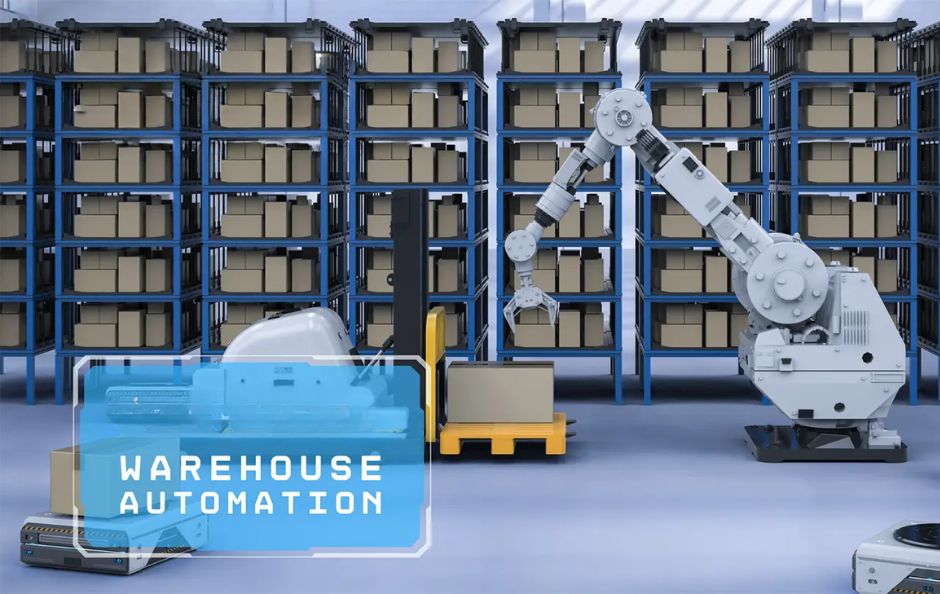
Staying Ahead with Robotics Logistics
Automation plays a key part in improving the efficiency of a warehouse. From picking and sortation, to barcoding, palletising and material movement, robotics are taking over to improve accuracy, reduce damages and boost productivity. As warehouses become increasingly automated enterprises in a wide range of industries are seeing the benefits of streamlined operations and a safer, more productive environment.
In today's fast-paced world of e-commerce and retail, supply chains are under tremendous pressure to deliver more, quicker and better. Businesses must continually look for efficient ways to create competitive advantages through optimised logistics and warehouse management processes, and that is robotics logistics.
What Is Robotics Logistics?
At its core, robotics logistics combines robotics and software to streamline warehouse operations, enabling businesses to become more productive with fewer resources. Robotics logistics solutions provide the range, agility and speed necessary to meet customer expectations and handle an omnichannel approach.
Understanding how robotics logistics works and its specific applications for any business is important as automation levels can vary in different industries. There are two main categories:
- Automating Decision-Making Processes
This includes the application of technology to improve workflow and decide where to store items and where to pick them from. Automated decision-making eliminates human error and enhances efficiency, contributing to a better customer experience through quicker shipping.
- Automating Goods Handling Processes
This focuses on the actual transport of material within the warehouse, from the arrival of the goods to storage, order picking, packing, and dispatch. These automated processes can enhance efficiency, decrease accidents, and improve productivity.
Benefits of Implementing Robotics Logistics
If implemented correctly, robotics logistics can deliver transformative benefits for efficiency, productivity, sustainability and better customer experience. Some of the key advantages include:
- Higher Throughput - Automation enables warehouses to handle increasing order volumes by ensuring everything is tracked, traced, and handled more efficiently.
- Optimsed Space Utilisation - Since warehouse space is costly, automation maximises every square foot by optimising layout and enabling quick shipment processing.
- Improved Warehouse Safety - With fewer manual tasks, there are decreased labour costs and reduced risks of injuries. This allows warehouse workers to focus on higher-value work.
When considering robotics logistics, it is important to consider the specific needs of your business. Different automation technologies are better suited to different types of operations.
Types of Robotics Logistics
From robots to automated processes, different types of robotics logistics based on various technologies can help you increase productivity by leaps and bounds.
- Automated Storage and Retrieval Systems (AS/RS): These systems use machines to store and retrieve inventory, eliminating the need for human intervention.
- Sortation Systems: These systems use conveyor belts and scanners to automatically sort and direct packages to their correct destinations.
- Autonomous Mobile Robots (AMRs): These robots use navigation systems and sensors to move around the warehouse, transporting goods and supplies to and from storage locations, and are able to increase efficiency and reduce labor costs by automating tasks.
- Cubiscan Automatic Dimensioning Systems: These systems use sensors and cameras to automatically measure the dimensions and weight of packages, allowing for accurate calculation of shipping costs and efficient storage.
- Warehouse Management Systems (WMS): These software systems manage and control warehouse operations, including inventory management, order fulfillment, and shipping.
Looking Ahead
As customer expectations continue to rise and the logistics processes become more complex, the adoption of robotics logistics is necessary to accelerate worldwide in the coming years. By carefully evaluating your operational needs, you can implement the right automated systems to drive higher throughput, effective space usage, a safer workplace, and the ability to strategically plan for future needs, and with the right approach, it can be a valuable investment for businesses of all sizes.
If you are considering transforming your traditional warehouse into a fully automated warehouse, but are unsure where to start, contact us for expert advice. With years of experience in robotics logistics, BPS Australian can help you navigate the process and create a customised solution that meets your business needs.
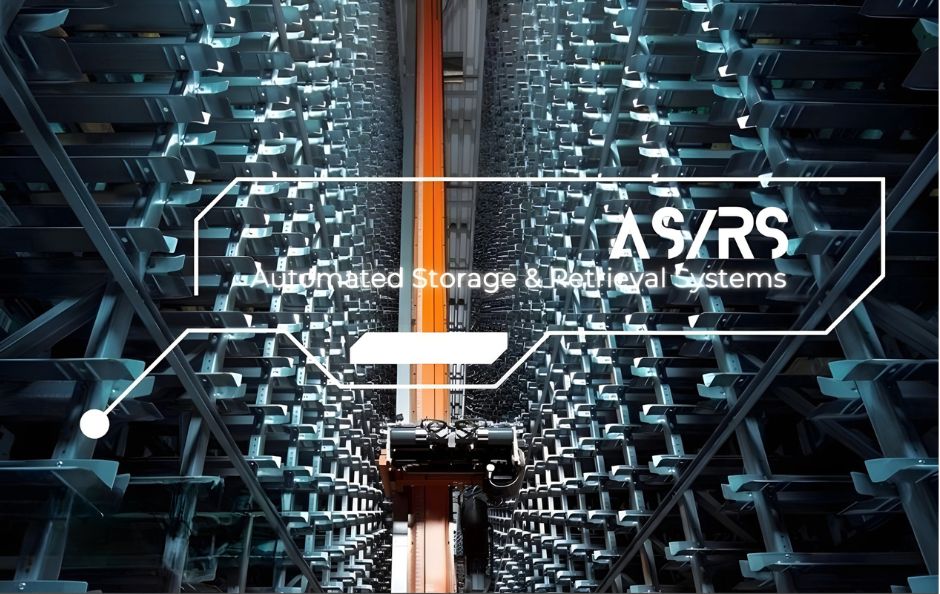
How AS/RS System Revolutionise Warehouse Efficiency
Logistics and warehousing industries are perhaps among the most competitive industries in today’s world because of the increasing demand for faster and cheaper methods of transporting goods. One of the technologies that have received a lot of attention is the Automated Storage and Retrieval Systems (AS/RS). With all of this in mind, what exactly is AS/RS? In short, AS/RS is a technology where goods to be stored and retrieved are managed with minimum human interaction, they are a set of systems used to enhance warehouse efficiency by increasing accuracy and storage space.
How AS/RS Works?
AS/RS systems function based on the coordination of different automated storage equipment such as storage racks, shuttles, cranes and conveyors, these components are controlled by sophisticated software that guarantees the required items are placed and taken out with precise accuracy, and it starts as soon as products are received in the warehouse and then scanned and input into the system to calculate where in the warehouse the items should be stored depending on size, weight and retrieval frequency.
After the location has been identified, automated cranes or shuttles transport the goods to the designated area for storage. When it is time to retrieve the items, the system is utilised to locate and deliver the goods to the picking zone. This high level of automation reduces manual error, cuts down labor costs and enhances the rate of picking significantly.
Types of Fully Automated AS/RS
AS/RS is the most strategic storage equipment suitable for warehouses and distribution centres that aim to optimise space and maximize storage efficiency. Below are five types of fully automated AS/RS:
- Vertical Carousels: These systems rotate vertically to bring items to an operator and they offer high storage capacity in the vertical direction and provide quick access to inventory
- Horizontal Carousels: These systems rotate horizontally as they bring items to the operator in a fast and efficient manner, which is suitable for high-speed picking operations
- Fixed Aisle AS/RS: These systems have fixed storage aisles where cranes or shuttles move loads vertically and horizontally, suitable for high-density storage of large loads
- Mobile Shelving Systems: These systems include movable shelving that is on tracks so that to create access aisles one only has to pull out an entire row of shelving off the track rather than using up floor space on individual aisles
- Micro-load AS/RS: These systems are suitable for small parts, totes or any small items that can be stocked, to provide high-density storage and quick retrieval. It is ideal for parts and components
Common Applications for AS/RS
AS/RS systems are highly adaptable, which makes it possible to utilise them in different types of warehouses. Some of the applications of AS/RS include:
- Long-term Storage System - AS/RS replaces the conventional form of racking system, it involves storage at higher density by having narrow aisles and use of vertical space
- Buffer Storage - It provides temporary overflow space to absorb peaks in inventory levels
- Staging System - AS/RS stores ready-to-ship products until they are needed to streamline the loading process
- Goods-to-Person Solution - This application automates the retrieval and delivery of items to operators for sorting and picking
Choosing the Right AS/RS System for Your Warehouse
Before deciding which type of AS/RS system to go for, several factors must be considered. Firstly, look at your inventory characteristics, such as size, weight, and storage requirements. It helps you to decide whether a unit load, mini-load or shuttle-based system will suit your requirements.
Secondly, it is also crucial to take throughputs into consideration. Shuttle or carousel-based systems could be ideal for high-speed operations while unit load or mini-load systems could be sufficient for low-speed operations and assess the flexibility of the system to expand with your business so that new elements can be integrated as they emerge. Lastly, and most importantly, look at the compatibility with your current warehouse management system (WMS) to strengthen its functionality.
Transforming Warehouse Efficiency with AS/RS Technology
Automated Storage and Retrieval Systems are one of the most effective systems for modern warehouses that can help in bringing down costs while increasing the efficiency of the process. By understanding how AS/RS works, current available types and applications, you can make a solid decision on the best system for your needs.
Ready to take your warehouse operations to the next level with the best AS/RS systems? Contact BPS Australian today to learn more about how we can help you implement the perfect solution for your business.
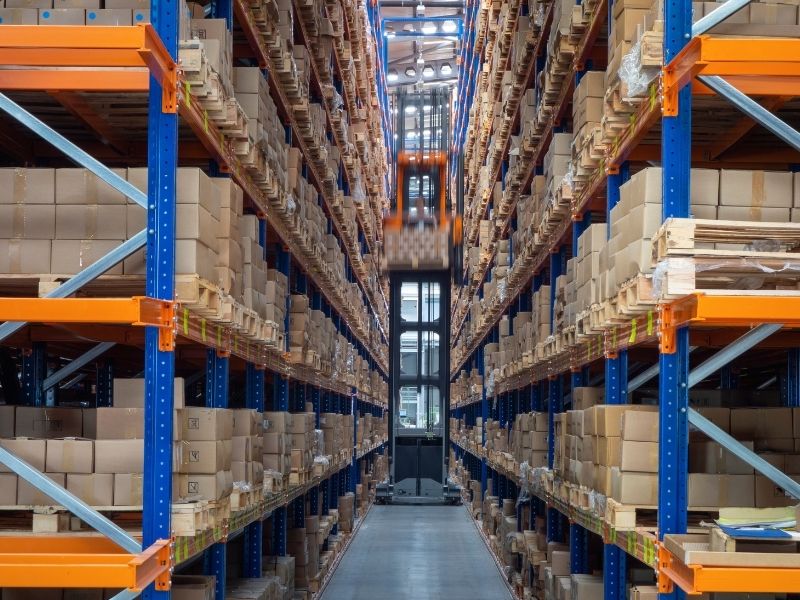
No Two Warehouses are the Same: Five Keys to Look Out before Automating
As warehouses increasingly turn to automation to meet growing supply chain demands, organisations need to understand that no two facilities are identical. While automation promises operational benefits, successful implementation requires careful consideration of critical factors that can make or break your project.
Floor Quality: The Foundation of Success
The foundation of any automated warehouse system – quite literally – is the floor. A high-quality floor isn’t just about being smooth; it requires specific characteristics to support automated systems effectively:
- Both flatness and levelness, especially for high-reach mobile robotics requiring F/min 60 range specifications
- Surface finish must balance dust prevention with adequate grip for robot wheels
- Construction joints require special attention, with most mobile robots accepting gaps up to 7mm
- Regular cleaning and maintenance as dirty floors can interfere with navigational markers
- Angular rotation of floor slabs is another element to consider if looking at shuttle system
- As with ASRS angular rotation is also a big factor plus point load and slab thickness
Building Height Considerations
While some automated systems, such as autonomous carton robots, operate comfortably at standard heights of 4.2 to 5.4 meters, others like high ACR’s, Turret Trucks and Shuttle systems can reach up to 12 metres. This increased height brings additional considerations:
- Higher reaches demand superior floor quality due to inertial forces
- Taller installations may require multiple levels of in-rack sprinklers
- Balancing fire safety requirements with storage capacity optimisation
Environmental Control
The quality of air can make a big difference to the performance of different automation:
- Temperature tolerance typically ranges from +5°C to 45-50°C
- Ventilation must be managed carefully to prevent debris accumulation
- Open doors can introduce dust and debris that impact system performance
- Areas shared with traditional forklifts require extra vigilance against dropped materials that could obstruct automated vehicles
Network Infrastructure
Reliable wireless connectivity is fundamental:
- Each system requires a dedicated Wi-Fi backbone on secure channels
- Signal gain consistency – fluctuations can severely impact robot performance
- Meeting or exceeding vendor-specified network requirements
- Signal loss during tasks can create significant operational challenges
Maintenance Access and Safety
Perhaps the most critical consideration is ensuring safe access for maintenance:
- All automated systems require regular maintenance, regardless of manufacturer
- Access requirements vary significantly between low-rise AMRs, high-reach ACRs and shuttle systems
- Proper safety equipment for maintenance, such as scissor lifts for high-reach systems
- Clear safety protocols and restricted access procedures
- Training and awareness are crucial to prevent accidents, especially in facilities with mixed operations
As automation technology continues to evolve, fundamental installation principles can’t get left behind. While the allure of automation is strong, success lies not just in the technology itself, but in how well it’s matched to your facility’s specific characteristics and capabilities. No two warehouses are the same, and realising this can be the difference between a transformative success and a costly learning experience.

Making Sense of Visual Data and AI
Malcolm Druce, Managing Partner at BPS Global, examines how industrial artificial intelligence can help make work environments safer and more efficient.
Artificial intelligence (AI) has become a buzzword for businesses across different industries, but its benefits remain relatively untapped. It is a matter of time before this changes, however, as an ageing workforce, geopolitical tensions and economic fragilities heap pressure on supply chain resiliency and efficiency.
According to Statista, the perception of artificial intelligence becoming critical to business operations amongst supply chain leaders will increase from 11% this year to 37% by 2025. A well-trained algorithm has tremendous planning and problem-solving capabilities, but many poorly trained algorithms don’t, which can steer businesses away from AI. There is sometimes a disconnect between what AI can currently do for businesses and what businesses actually need – this technology isn’t a broad-brush stroke and needs to be tailored to the requirements of specific businesses.
Contrary to some beliefs, artificial intelligence does not replace human intelligence or decisions – it augments it. While industrial AI unlocks immense potential for bolstering operations, human expertise remains indispensable. No algorithm is fully failproof, and human judgement plays a key role in validating outputs, addressing edge cases, and upholding ethical standards. The goal should therefore emphasise augmented intelligence – combining the strengths of both computer and human capabilities.
One area where AI and computer vision-based analytics is having a big impact is in industrial workplace health and safety. Automated systems and data-driven insights allow organisations to shift from reactive to proactive approaches, continuously enhancing risk prevention and mitigation. Automated safety checks powered by the Internet of Things minimise reliance on manual oversight, while predictive modelling leverages data analytics to foresee potential hazards. Computer vision provides real-time visual monitoring to swiftly detect anomalies, collaborative robots adapt to volatile environments, reducing strain on human workers, and immersive simulations provide highly effective safety training.
Such applications of industrial AI drive a shift in safety strategies and protocols – instead of merely responding to incidents, the right technology enables preventative measures. Data empowers continuous enhancement of safety standards over time, while smart infrastructure alongside intelligent workflows maintains these standards.
What is an Industrial Automation Platform?
At the forefront of this safety revolution is KamerAI – a computer vision based analytics and industrial automation platform helping businesses streamline their safety procedures. Unlike industry players providing multiple point solutions, KamerAI is a one stop solution, and can be customised and expanded as per the business needs, while having multiple pre-built algorithms for known business challenges. Continued improvement of the platform is based on industry trends and data models, so it is designed to improve with time.
KamerAI is an innovative computer vision platform that helps businesses transform their visual data into actionable workplace safety insights. Designed for enterprise supply chain environments, the platform leverages AI and machine learning to analyse camera feeds in warehouses, distribution centres, and logistics facilities.
Many companies install CCTV cameras for forensic purposes for post incident analysis. Supply Chain businesses have already invested in the image data acquisition but rarely view the data. KamerAI platform enables proactive safety management in real-time and creates new business value out of this data. Its scalable architecture integrates analytic modules that address critical occupational risks like unsafe behaviours, ergonomic strains, pedestrian collisions, materials handling speeds and directions, and more. For example, automated detection of PPE compliance, posture monitoring, and micro-location tracking can all trigger alerts for dangerous scenarios before they occur.
Importantly, KamerAI takes the wealth of visual data captured into an enterprise-wide repository. This expanded data foundation powers more reliable computer vision models that keep improving over time, providing a living platform that evolves alongside business growth, so that safety managers can enforce safety protocol adherence, design smarter staff workflows and predict equipment abnormalities.
Extremely useful for logistics environments requiring extensive activity monitoring, KamerAI enables end-to-end visibility so businesses can protect the wellbeing of their greatest asset – their workforce.
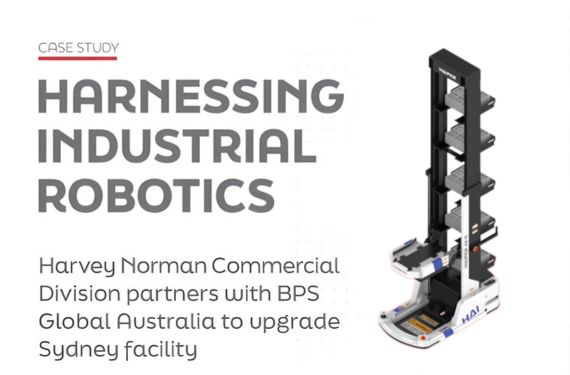
Harnessing Industrial Robotics
Harvey Norman Commercial Division has partnered with BPS Global Australia to implement advanced technology during a major upgrade of their logistics center. This includes a materials handling system from Hai Robotics to drive supply chain efficiency. The optimized industrial workspace positions Harvey Norman to better serve partners in a dynamic retail landscape. Read the complete case study here to find out more.

Australia freight and logistics market prediction in 2021-2026
According to the International Research Company Mordor Intelligence’s report, the freight and logistics market in Australia was increased more than USD 75 billion in 2020 that predict the compound annual growth rate (CAGR) will be valued over than 4.5% in 2021-2026. The reason is driven by logistics industry in Australia has increased investments for infrastructures. The COVID-19 pandemic is also the reason to boost the freight and logistics market, because of the increases of demand in e-commerce deliveries and medical supplies during the pandemic.

Online & Offline Charging in AGV Systems
AGV requires charging after every shift that lasts between eight to 12 hours. Speaking of the charging method, it can be divided into two modes: online charging and offline charging.
Online charging – It means using the spare time of the AGV to temporarily stay to charge, without deviating from its working route or charging at a specific time.
Offline charging – This mode means that the AGV needs to be driven into a fixed charging station in order to charge, and a specific charging time is required.
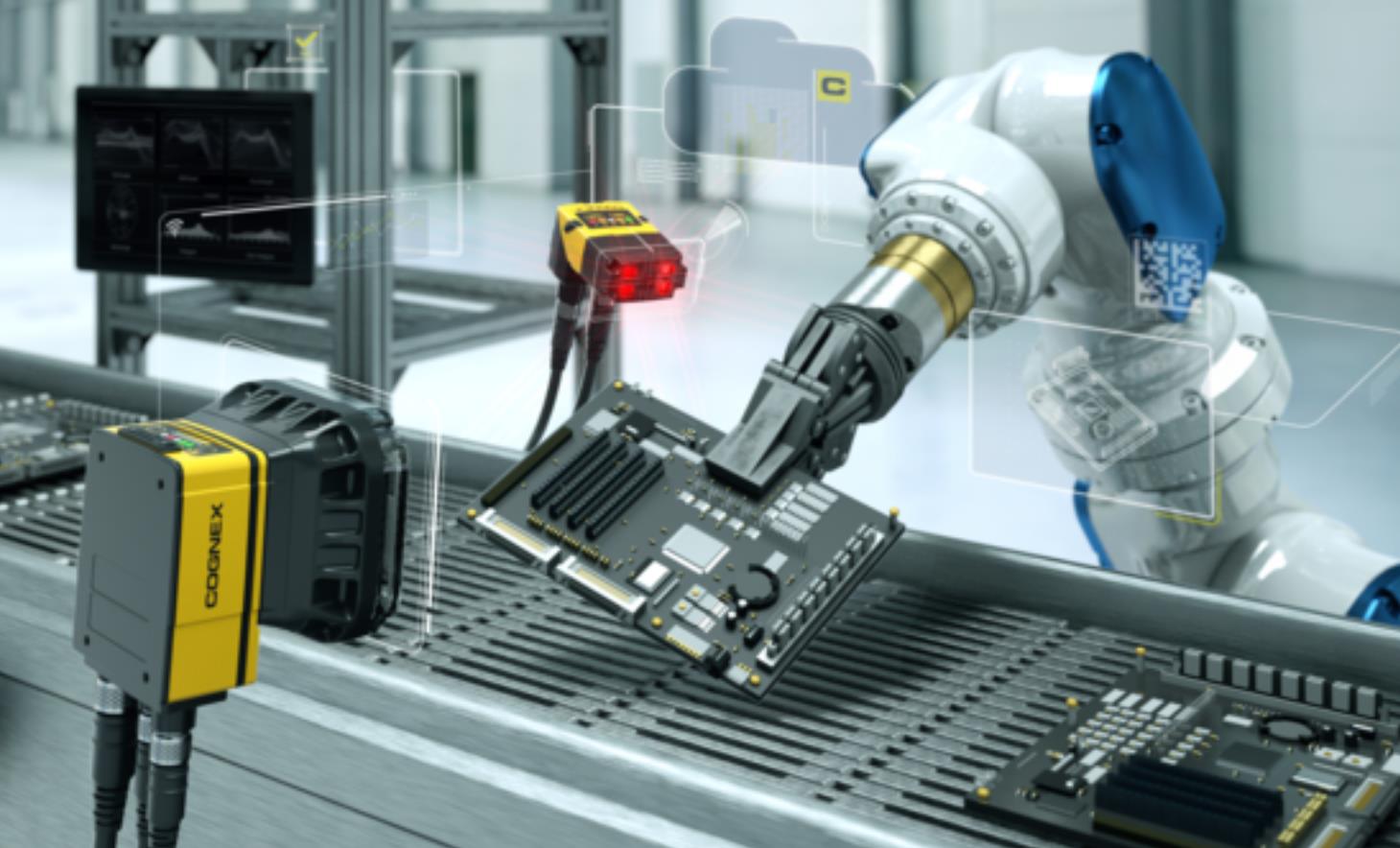
Machine vision will be an important part of automation systems in Industry 4.0
According to the research report “Machine Vision Market with COVID-19 impact”, by MarketsandMarkets Research, the global machine vision market size was valued at USD 9.6 billion in 2020 and is expected to reach USD 13 billion by 2025.
For the logistics industry, machine vision has the advantages of high efficiency, high precision and strong environmental adaptability, and helps to increase productivity. It is becoming increasingly popular within industrial automation environments especially in automotive, packaging, logistics and other industries.
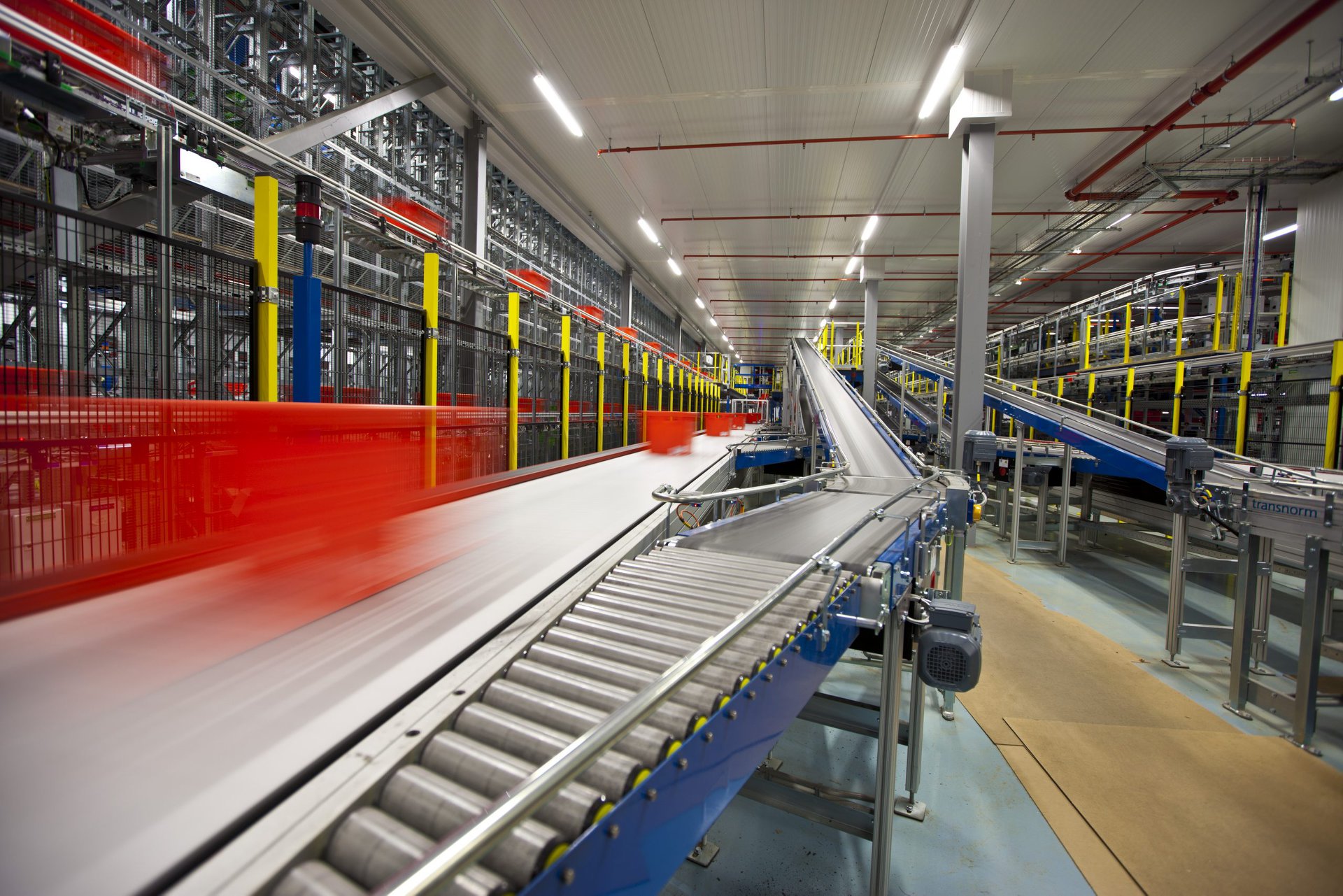
Automation helps to increase productivity and reduce labor costs
Under the wave of technological advancement, warehousing is rapidly developing in the direction of automation, IoT and AI, and with the rising labor costs and leasing costs, many global leading companies, especially the dramatic rise of the e-commerce industry, are moving toward the fully automated warehouse management.
Compared with traditional warehouses, automated warehouses have 3 key advantages:
1.Increase the utilization rate of the warehouse area
2. Decrease overall labor costs
3. Reduce order fulfillment inaccuracies
Preventive maintenance plays a crucial role in automated equipment
With the popular application of automated logistics equipment, how to manage the maintenance and reduce the failure rate of automation equipment and improve the efficiency of use has become a concern for enterprises.
In order to prevent the equipment from malfunctioning, it is necessary to perform regular equipment maintenance to reduce the frequency of sudden breakdown through hiring a team of experts to provide a proper maintenance solution and carry out maintenance work correctly.
Having a reliable maintenance plan can make assets last longer, and ultimately create more economic values for the enterprise.
‘HAI ROBOTICS’ New HAIPORT Debuts at CeMAT ASIA 2020
Nov 3, Shanghai – HAI ROBOTICS, pioneer, and leader in autonomous case-handling robotic (ACR) system, showcased its full range of warehouse robotics, HAIPICK ACR system, during the first day of the 21st edition of CeMAT ASIA, at Logistics Robotics & AGV pavilion, booth N1-B2. The company introduced a new revolutionary machine, the HAIPORT, an automatic case-loading port that loads and unloads cases simultaneously, effectively improving efficiency while reducing costs.
CeMAT ASIA is one of the largest international trade fairs that focus on material handling, automation technology, transport systems, and logistics. During the exhibition, HAI ROBOTICS demonstrated its full range of advanced robotics that use AI algorithms to ensure accurate and efficient execution of tasks. By leveraging HAIPICK’s five key advantages: 7 days for deployment, increased operational efficiency by 3-4 times, increased storage density by up to 230%, flexible customization, and rapid ROI, the company redefines the way of delivering goods to people.
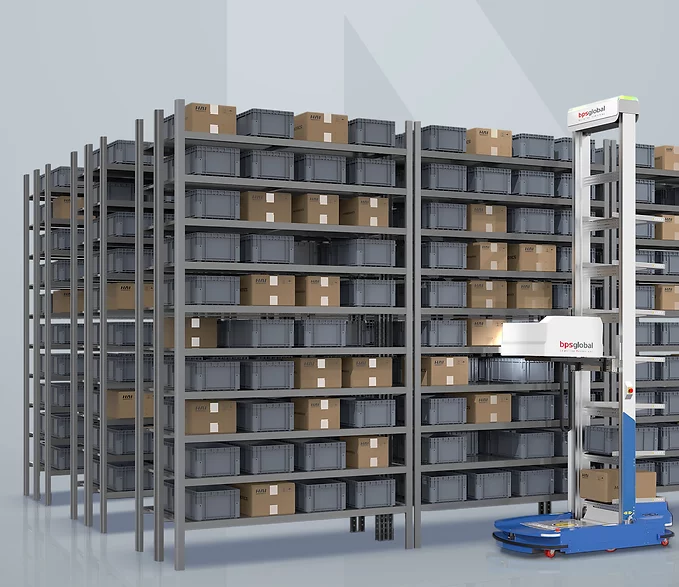
Booktopia partners with BPS Global to deploy autonomous robot technology at its distribution centre
Melbourne, Australia – Booktopia, Australia’s largest online bookstore, has partnered with BPS Global, a leading provider of logistics solutions, to roll out Hai Robotics innovative autonomous robot technology.
As part of a $20 million investment in automation for Booktopia, the robots, combined with a range of other automations, gave the leading retailer the opportunity to improve efficiency and double its product range at its 14,000 sqm distribution centre in Lidcombe, NSW.
In the financial year to June 30, 2020, Booktopia broke all previous sales records and reported a revenue of $165.4m, after the retailer saw a massive increase in sales as a result of the COVID-19 online shopping boom. With no signs of slowing down, Booktopia has revealed it is expecting to turnover $217m in the current (FY21) financial year.
Boasting more than five million customers, Booktopia is proudly a customer-centric organisation and as such has invested in its logistics infrastructure to better serve its growing customer base.
Through working with its integration partner BPS Global, Booktopia has deployed Hai Robotic’s HAIPICK solution. Manufactured by Chinese-based Hai Robotics, the HAIPICK is the world’s first carton picking and double deep autonomous case and tote-handling system. Booktopia will be the first business in Australia to deploy this solution.
The HAIPICK differs from standard autonomous mobile robot solutions as it utilises a telescopic fork which stretches four metres high. This gives the robots the ability to carry cartons as well as individual totes and to bring multiple totes or cartons to pickers in one movement. This enables Booktopia to facilitate the completion of multiple customer orders at one pick station –greatly improving fulfilment and despatch rates for the leading retailer.
This solution has enabled Booktopia to pick, pack and despatch 60,000 units a day, up from its previous capacity of 30,000 order a day.
According to Wayne Baskin, Chief Technology Officer at Booktopia this solution enhances Booktopia’s entire operation.
“Our key driving factor for implementing this technology was efficiency gains for picking and put away. But we’re now finding improvements across our entire operation and we can pick, pack and despatch our orders significantly faster,” Wayne Baskin, Chief Technology Officer at Booktopia said.
According to CEO Tony Nash, Booktopia is driven by a desire to better service its customers. “The foundation of our innovation strategy is to provide our growing customer base with the best and most efficient service we can. By deploying this innovative robot solution, we have doubled our capacity and significantly improved our picking and putaway rates. This gives us the confidence we need to continue to serve our customers,” Tony Nash, CEO at Booktopia said.
As the integration partner, BPS Global has managed the project from inception to go-live. Bruce Drayton, Automation and Robotics Director at BPS Global has been an advisor to Booktopia for the past seven years and has played a key role in optimising the leading retailer’s supply chain operations.
“As one of Australia’s most innovative online retailers, Booktopia is committed to investing in the latest technology to improve its customer experience. The HAIPICK solution provides Booktopia with an impressive 800 per cent efficiency increase. It also reduces dwell time and manual handling for operators as well as provides the Lidcombe site with increased capacity without the need for Booktopia to move or expand,” Bruce Drayton, Automation and Robotics Director at BPS Global said.
“COVID-19 placed immense pressure on e-commerce retailers and we saw volumes reach record heights across the entire retail landscape. We’re thrilled to work with Booktopia on the first ever deployment of this innovative automation solution in Australia. This investment ensures they are well-placed to meet rising demands and continue to service the nation with its favourite books,” Malcolm Druce, Managing Partner at BPS Global said.
“While the rising rental cost of warehouses is becoming a major issue for many companies throughout Australia, our recently launched HAIPICK solution now makes it faster and easier to increase capacity and storage. This solution is the perfect fit for Booktopia and we’re delighted to have our first deployment in the Australian market,” Michael Rolfing, Sales Director for Hai Robotics said.

Featured Story in Australian MHD Magazine
Thanks 《 MHD Supply Chain Solution Magazine》 featured BPS Global Australia on a series of warehouse automation technology such as autonomous guided forklift and high bay robot in the Australian market.
Read more on page 47-48: https://bit.ly/3eUpm0e
CONTACT US
Talk to Our Industry Experts About Your Needs